




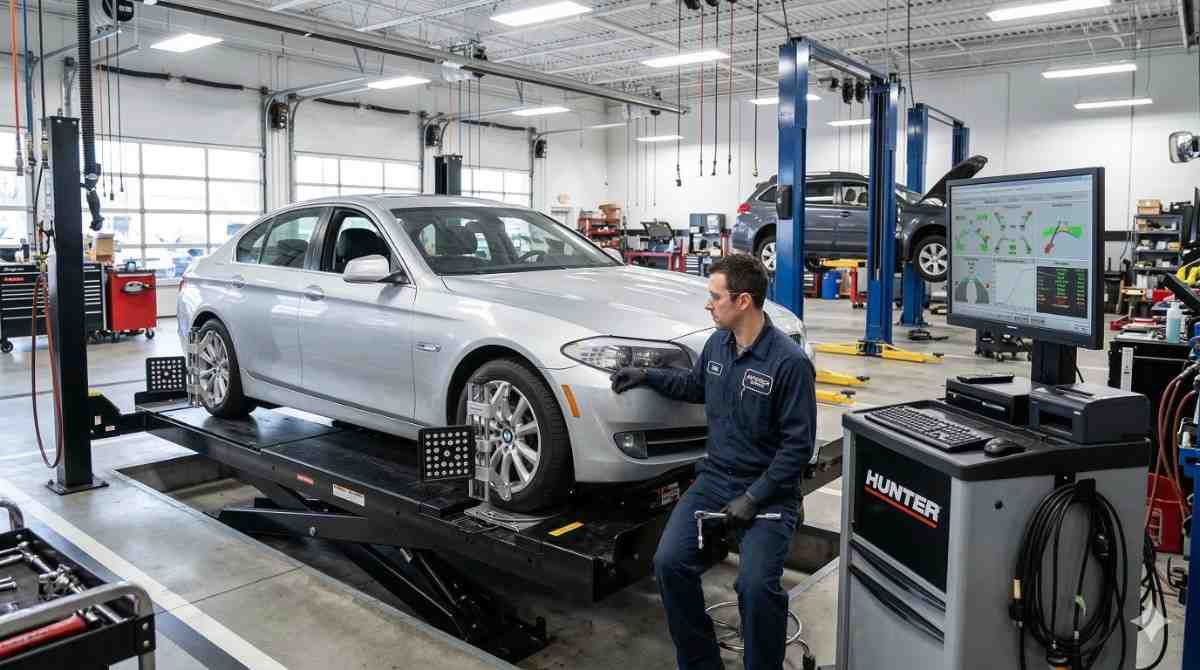
Most people see car maintenance as just another expense. However, skipping routine services costs more in the long run. A $50 oil change can prevent a $4,000 engine repair, and regular tire rotations extend the life of your tires. This post breaks down how consistent vehicle care translates into real savings, from fuel efficiency to resale value, proving it’s one of the smartest financial decisions you can make.
The Hidden Costs of Ignoring Routine Vehicle Care
It’s easy to put off maintenance when your car seems to be running fine. No warning lights, no strange noises—why spend the money? The problem is that vehicle deterioration is often invisible until it isn’t.
Neglected maintenance creates a compounding effect. One overlooked issue puts stress on adjacent components, which then fail prematurely, triggering a chain reaction of repairs. What started as a $30 fluid top-up can spiral into a $1,500 transmission service.
Then there are the indirect costs. A poorly maintained vehicle consumes more fuel, meaning you’re quietly paying more at the pump every single week. Insurance premiums can also be affected if a maintenance-related failure contributes to an accident.
And if your car breaks down unexpectedly, you’re looking at towing fees, rental car costs, and the premium pricing that comes with urgent repairs. Routine maintenance eliminates most of these risks before they materialize.
How Regular Oil Changes Prevent Expensive Engine Failures
Engine oil lubricates hundreds of moving parts, reduces heat, and carries away contaminants. Over time, it breaks down and becomes less effective at doing any of those things. Old, degraded oil turns into sludge—a thick, tar-like substance that restricts oil flow and accelerates wear on critical engine components.

The consequences of running an engine on dirty oil range from reduced performance to complete engine seizure. Replacing a seized engine can cost anywhere from $3,000 to $10,000 or more, depending on the vehicle. Compare that to the cost of an oil change every 5,000 to 7,500 miles (or per your manufacturer’s recommendation), and the math couldn’t be clearer.
Synthetic oils offer extended change intervals and better performance under temperature extremes, making them a worthwhile upgrade for many drivers. Regardless of which type you use, consistency is what matters most.
Extending Tire Life Through Proper Alignment and Rotation
Tires are one of the most significant recurring expenses in vehicle ownership. A quality set can cost $400 to $800 or more, and improper care cuts their lifespan dramatically.
Rotation ensures that tires wear evenly across all four positions. Front tires, particularly on front-wheel-drive vehicles, carry a heavier workload and wear faster. Rotating them every 5,000 to 7,500 miles distributes that wear more evenly, extending the life of the full set.
Alignment keeps your wheels pointed in the right direction. Misaligned wheels create uneven tire wear, reduce fuel efficiency, and put strain on steering and suspension components. A single pothole or curb strike can knock your alignment off without you noticing—until you see the inside edge of your tire worn down to the wire.
Together, rotation and alignment can add 20,000 to 30,000 miles to your tire lifespan. At current tire prices, that’s meaningful savings over the life of a vehicle.
Improving Fuel Efficiency With Clean Filters and Spark Plugs
Fuel efficiency quietly erodes when key engine components are dirty or worn. Two of the biggest culprits are clogged air filters and degraded spark plugs.
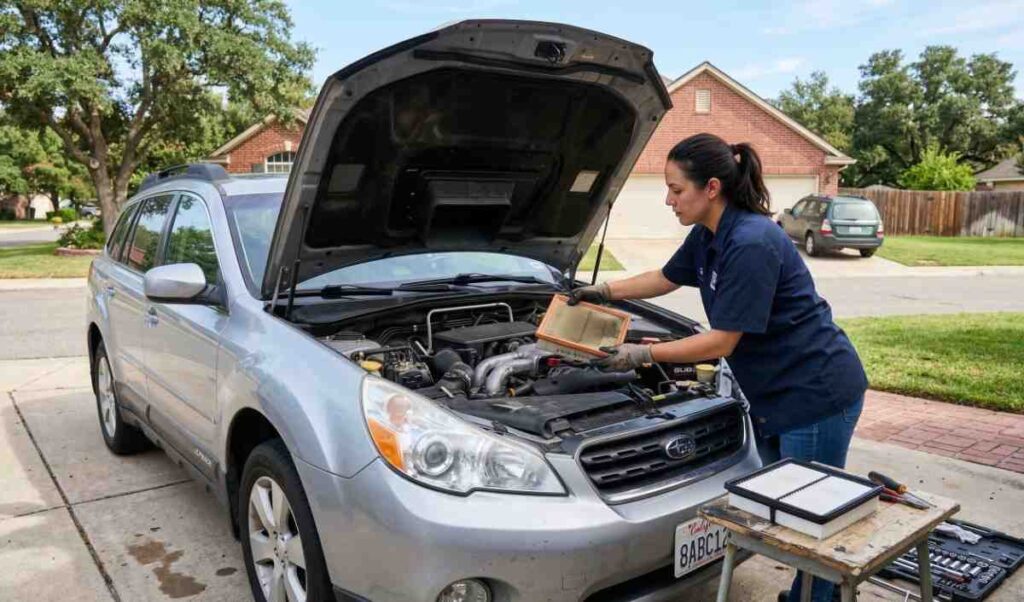
Air filters control the flow of clean air into the engine. A clogged filter forces the engine to work harder to draw in air, increasing fuel consumption. Replacing a dirty air filter is one of the simplest and cheapest maintenance tasks available—often under $25—and can improve gas mileage noticeably in older vehicles.
Spark plugs ignite the air-fuel mixture in the engine’s cylinders. Worn plugs misfire, causing incomplete combustion and wasted fuel. They also stress the ignition system, which can lead to costly coil and sensor replacements. New spark plugs restore proper combustion efficiency and, in some cases, improve acceleration and power.
With fuel prices fluctuating and the average American driving over 14,000 miles per year, even a modest improvement in fuel saving adds up to real money over time.
Preventing Major Repairs With Early Diagnostic Checks
Modern vehicles are equipped with sophisticated onboard diagnostic systems that monitor hundreds of parameters in real time. When something falls outside of normal range, a warning light appears. Ignoring it is one of the costliest mistakes a driver can make.
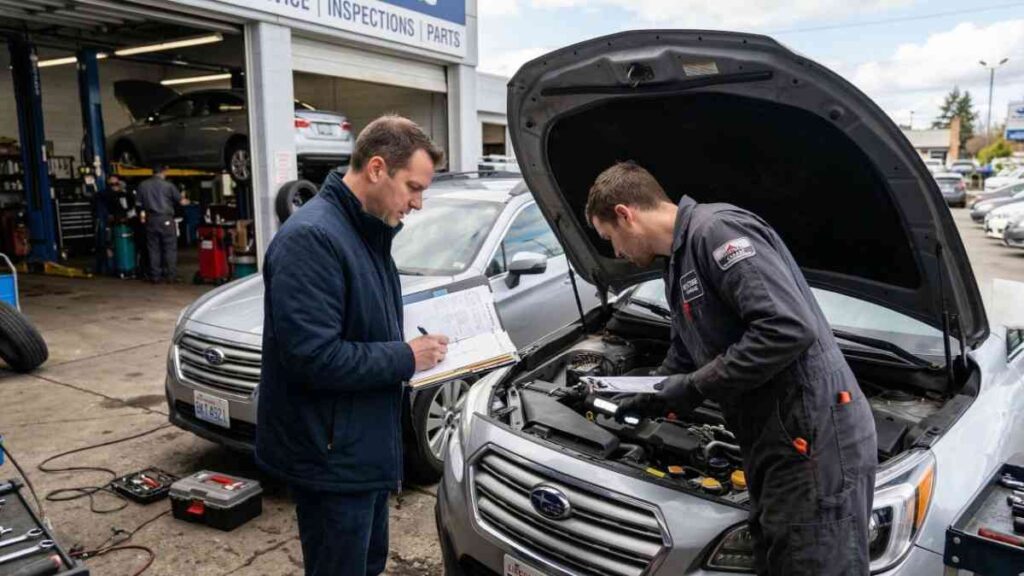
Routine diagnostic checks—performed during scheduled service appointments or at a dedicated diagnostic facility—catch problems in their early stages. A failing oxygen sensor, for example, costs around $150 to $300 to replace. Left unchecked, it causes the engine to run rich, damaging the catalytic converter, which can cost $1,000 to $2,500 to replace.
Early diagnostics also play a role in emissions compliance. Many states require vehicles to pass a periodic emission test in Salem, UT, and a poorly maintained engine is far more likely to fail. Failing an emissions test means repair costs, plus retesting fees and the inconvenience of being temporarily unable to register your vehicle.
Staying proactive—rather than reactive—keeps repair bills manageable and avoids the compounding damage that results from deferred maintenance.
Increasing the Long-Term Resale Value of Your Vehicle
A well-maintained vehicle is worth significantly more at resale than a neglected one of the same make, model, and year. Buyers and dealerships alike scrutinize service history when assessing a used vehicle, and gaps in maintenance records raise red flags.
Documented maintenance—oil changes, tire services, filter replacements, and diagnostic records—demonstrates that a vehicle has been cared for and is less likely to harbor hidden mechanical issues. This confidence commands a premium. Depending on the vehicle and market, a thorough service history can add thousands of dollars to its resale or trade-in value.
There’s also the matter of reliability. A maintained vehicle simply lasts longer. Extending the life of your car by three to five years, rather than trading it in prematurely due to mechanical fatigue, represents tens of thousands of dollars in deferred vehicle costs. Even a car removal business values well-maintained vehicles more.
Conclusion
Routine car maintenance is a financial strategy, not a luxury. Disciplined drivers spend less on repairs, use less fuel, get more life from their tires, and secure a higher resale value. Start with your owner’s manual for recommended service intervals. If you’re overdue, booking an appointment is your best move. Small habits compound over time, and with cars, it works entirely in your favor.