


Speaking is something most of us take for granted. We open our mouths, and words come out. But the mechanics behind that simple action are incredibly complex.
Your ability to enunciate clearly relies on a precise coordination between your tongue, lips, vocal cords, and teeth. When you lose a tooth, this delicate balance is disrupted.
How Missing Teeth Disrupt Articulation
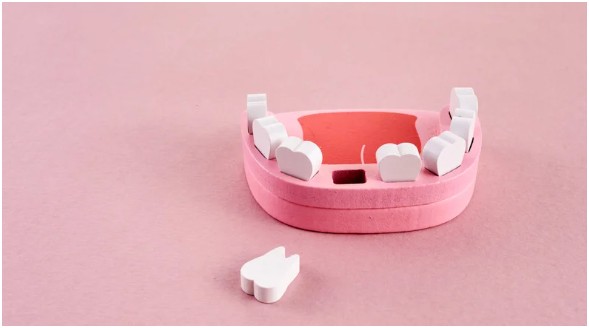
Teeth are not just for chewing; they are essential anchor points for your tongue. When we speak, our tongue pushes against the back of the upper teeth to form specific sounds.
The teeth also restrict airflow, allowing us to create the friction necessary for certain consonants. When a tooth is missing, the air escapes differently, and the tongue has nowhere to rest.
The Mechanism of Sound Production
To understand the disruption, we must look at how sounds are formed. Speech sounds are categorized by how they are produced. “Fricatives” and “stridents” are particularly vulnerable to tooth loss.
- Strident Sounds (s, z, ch, sh, j): These high-frequency sounds require a narrow stream of air to be forced against the teeth. If you are missing front teeth (incisors), the air flows out too quickly or too widely. This often results in a lisp, where “s” sounds start to sound like “th.”
- Dental Sounds (th): To make the “th” sound (as in “think” or “that”), the tongue must make contact with the edges of the upper front teeth. Without these teeth, the tongue may protrude too far forward, making the sound mushy or indistinct.
- Labiodental Sounds (f, v): These sounds are created by the lower lip touching the upper teeth. If the upper teeth are missing, the lip has nothing to press against, making it nearly impossible to pronounce words like “favor” or “victory” clearly.
Specific Speech Impediments
The location of the missing tooth dictates the type of speech impediment.
- Front Teeth Loss: This causes the most noticeable changes. The loss of incisors typically results in a frontal lisp. It can also cause a whistling sound when speaking, as air shoots through the gap unexpectedly.
- Side/Back Teeth Loss: While less obvious, losing molars or premolars can cause the cheeks to collapse slightly, reducing the resonance space in the mouth. This can lead to a slightly slurred or “mushy” quality to speech, as the tongue loses lateral support.
The Psychological Weight of Speech Difficulties
The consequences of tooth loss due to any dental issue extend beyond mechanics. Speech is our primary tool for connecting with others. When that tool becomes unreliable, the psychological toll can be heavy.
Many individuals with missing teeth develop social anxiety. They may become hyper-aware of their lisp or whistle, leading them to speak less or avoid certain words that trigger the error.
This avoidance behavior can result in withdrawal from social situations. If you are constantly monitoring your speech to hide an impediment, you cannot be fully present in a conversation.
In professional settings, clear communication is often equated with competence and confidence. A sudden change in speech patterns can make individuals feel insecure during presentations, meetings, or client interactions. Over time, this erosion of confidence can affect career trajectory and personal relationships, creating a cycle of isolation.
Solutions for Restoring Speech
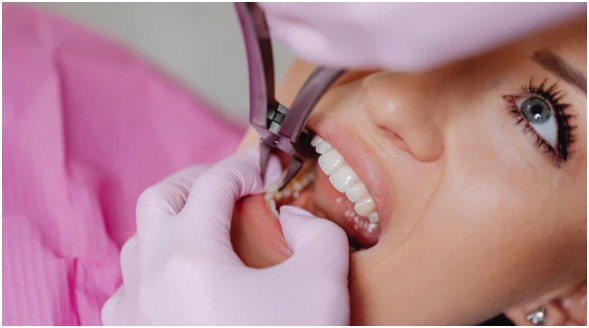
The good news is that speech impediments caused by missing teeth are almost always reversible. By replacing the missing structures, you restore the barriers and contact points the tongue needs to articulate sounds correctly.
Dentures
Partial or full dentures are a common solution. They replace the missing physical structure, giving the tongue a surface to push against. However, dentures come with a learning curve.
If they are ill-fitting or too thick, they can actually cause speech issues, such as clicking sounds or a feeling of fullness that creates a temporary lisp. It usually takes the brain a few weeks to map the new landscape of the mouth and adjust speech patterns accordingly.
Dental Bridges
A bridge fills the gap by anchoring a prosthetic tooth to the adjacent natural teeth. Because bridges are fixed and generally mimic the natural contour of the teeth, they are excellent for restoring speech immediately. They prevent the air leakage that causes whistling and provide a stable surface for the tongue.
Dental Implants
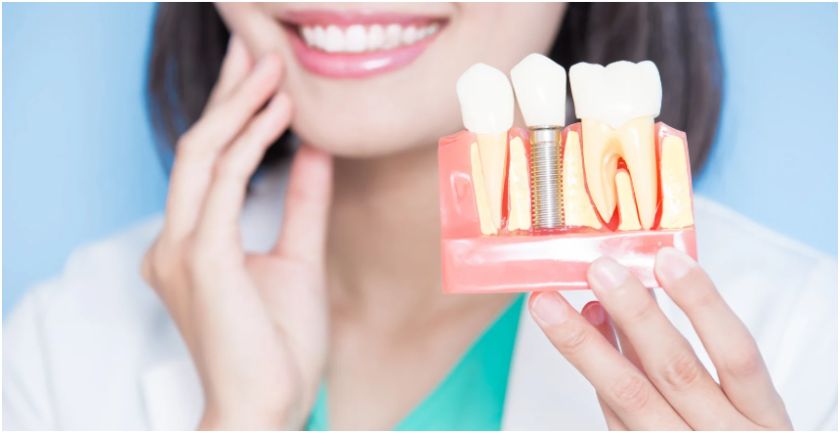
Implants are widely considered the gold standard for both function and aesthetics. Because an implant replaces the tooth root, it preserves the jawbone and provides a stability that matches natural teeth. This stability is crucial for speech. Unlike dentures, which can slip, implants remain firm, allowing for consistent pronunciation.
Geography and access to care play a role here. For example, patients seeking dental implants in Pittsburgh or other major medical hubs often have access to specialists who use guided surgery to place implants in the precise position needed to replicate natural phonetics.
Regardless of location, choosing a restorative option that feels natural in the mouth is the best way to ensure your speech returns to normal.
The Role of Veneers in Speech Correction
While veneers are typically discussed in the context of cosmetic dentistry (fixing chips or discoloration), they play a surprising role in speech mechanics.
Sometimes, speech issues aren’t caused by a missing tooth, but by the spacing or length of existing teeth. Gaps between teeth (diastema) allow air to escape, causing whistling. Veneers can be used to widen the teeth slightly, closing these gaps and stopping the unwanted airflow.
Conversely, veneers can also fix issues caused by teeth that have worn down over time. Lengthening the teeth with veneers can help restore the proper contact point for “f” and “v” sounds. However, this is a delicate art. If a dentist makes veneers too long or too thick, it can introduce new speech problems. It requires a practitioner who understands the phonetics of the smile, not just the aesthetics.
Expert Opinions: Adaptation and Neuroplasticity
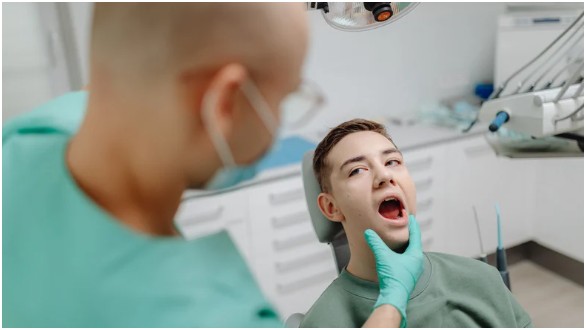
Dental professionals and speech therapists agree that replacing the tooth is only half the battle. The other half is retraining the brain.
Dr. James H. Doundoulakis, a specialized prosthodontist, has noted in dental literature that the adaptability of the tongue is remarkable. He suggests that while hardware fixes the structural problem, the patient must practice reading aloud to help the tongue “re-learn” where the boundaries are.
Speech-language pathologists also emphasize that the brain is neuroplastic. When a tooth is lost, the brain tries to compensate immediately. When the tooth is replaced, the brain must compensate again.
Experts recommend that after any restorative procedure, patients should be patient with themselves. It is common to sound different for a few days or weeks as the muscle memory of the tongue adjusts to the new architecture of the mouth.
Conclusion
Missing teeth create a physical void that leads to functional and emotional deficits. The change in airflow and tongue placement can turn articulate speech into a struggle, affecting everything from ordering coffee to leading a business meeting.