





Securing permanent residency in the United States is a major step for immigrants, allowing them to live and work in the country permanently, receive public benefits, and apply for citizenship later. However, the path to obtaining a Green Card can be complex due to strict eligibility criteria, extensive paperwork, and long wait times.
Determining Your Eligibility
Before filing a single form, you need to identify which immigration category applies to your situation. The most common pathways include:
- Family-sponsored immigration: Available to immediate relatives of U.S. citizens (spouses, children, and parents) or other qualifying family members of citizens and lawful permanent residents.
- Employment-based immigration: For individuals with job offers from U.S. employers, extraordinary abilities in their field, or specific skills in high-demand occupations.
- Special immigrant categories: These cover a range of circumstances, including religious workers, certain broadcasters, and individuals who have served with U.S. armed forces.
- Refugee or asylee status: Those who have been granted asylum or refugee status may be eligible to apply for permanent residency after one year.
Choosing the right category matters—it determines which forms you’ll file, how long you’ll wait, and what evidence you’ll need to provide.
Gathering Essential Documentation
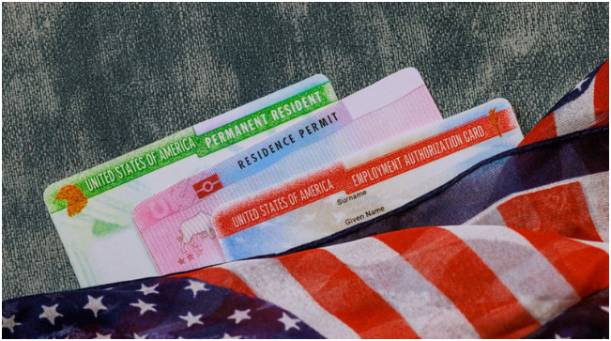
Once you’ve confirmed your eligibility category, the next step is assembling your documentation. Missing or incomplete records are one of the most common reasons for application delays, so it pays to be thorough from the start.
Your checklist will typically include:
- Identity documents: Passport, birth certificate, and any prior immigration documents
- Civil records: Marriage certificates, divorce decrees, or adoption papers (if applicable)
- Financial records: Tax returns, pay stubs, or a completed Affidavit of Support (Form I-864) from your petitioner
- Medical examination report: Completed by a USCIS-approved civil surgeon (Form I-693)
- Police clearance certificates: Required from every country you’ve lived in for six months or more since age 16
- Passport-style photographs: Meeting USCIS specifications
Keep both originals and certified copies of every document. Where records are not in English, a certified translation is required.
Filing the Primary Petition

The petition is your formal request for an immigrant visa, and which form you file depends on your category.
- Form I-130 (Petition for Alien Relative): Filed by a U.S. citizen or lawful permanent resident on behalf of a qualifying family member
- Form I-140 (Immigrant Petition for Alien Workers): Filed by a U.S. employer or, in some cases, the applicant themselves
Once your petition is submitted and approved by USCIS, it’s assigned a priority date—the date your petition was originally filed. This date determines your place in the visa queue. Immediate relatives of U.S. citizens are not subject to annual visa caps, meaning they can proceed more quickly. Other categories, however, may face significant wait times depending on their country of birth.
You can monitor monthly updates to visa availability through the U.S. Department of State’s Visa Bulletin.
Adjustment of Status vs. Consular Processing
At this stage, your path forward depends on where you are physically located and your current immigration status.
Adjustment of Status (Form I-485) allows you to apply for permanent residency while remaining inside the United States. This option is available if you are already present in the U.S. and entered lawfully. It also allows you to simultaneously apply for a work permit (Form I-765) and advance parole travel document (Form I-131) while your application is pending.
Consular Processing is the alternative for applicants living outside the U.S., or those who are ineligible to adjust status domestically. Once a visa becomes available, your case is transferred to the National Visa Center (NVC), which will instruct you to complete additional steps before attending an interview at a U.S. consulate or embassy in your home country.
Neither path is inherently better—the right choice depends entirely on your personal circumstances.
Attending the Biometrics Appointment and Interview
After your application is filed, USCIS will schedule a biometrics appointment at a local Application Support Center. At this appointment, your fingerprints, photograph, and signature are captured for background check purposes. Attendance is mandatory.
Following biometrics, most applicants will be called for an in-person interview with a USCIS officer or consular officer. Here’s how to prepare:
- Review your application thoroughly before the interview—officers may ask detailed questions about information you submitted
- Bring original copies of all supporting documents, even if you submitted copies with your application
- Be honest and consistent; discrepancies between your application and verbal responses can trigger complications
- If your case involves a spousal petition, both spouses will typically need to attend and may be interviewed separately
Dress professionally, arrive early, be confident and have a smile for creating good impression and bring a printed copy of your appointment notice.
Navigating the Waiting Period
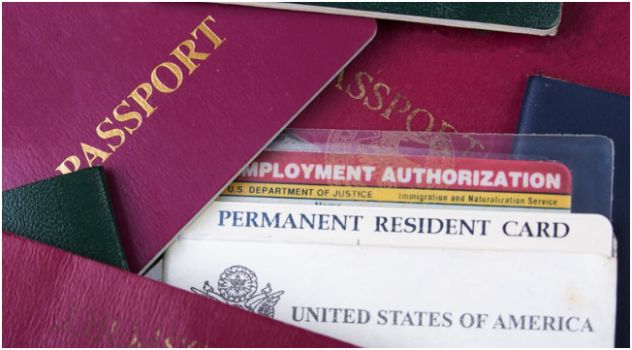
Once your interview is complete (or waived, in some cases), the waiting begins. Processing times vary widely based on your visa category, country of birth, the volume of applications USCIS is handling, and whether any additional documentation is requested.
You can check the status of your case at any time using the USCIS online case status tool by entering your receipt number. If your priority date is current and several months have passed without a decision, you may be eligible to submit a case inquiry.
During this period, avoid international travel without advance parole, maintain any relevant visa status, and promptly respond to any Requests for Evidence (RFEs) USCIS may issue.
Take the Next Step With Confidence
Obtaining permanent residency opens doors and unlocking the opportunities that temporary visa status simply cannot—stable employment authorization, access to certain federal programs, the ability to sponsor family members, and a direct path to U.S. citizenship down the line. These are life-changing advantages, and they’re worth pursuing carefully.
That said, the process is legally complex, and small errors can cause significant setbacks. Consulting with a qualified immigration attorney—particularly if your situation involves complications like prior visa violations, criminal history, or prior immigration petitions—can make a meaningful difference in your outcome. If you’re based in the western United States, connecting with experienced immigration lawyers in Utah is a practical first step toward building a strong application.
The path to a Green Card is long, but with the right preparation and guidance, it’s entirely achievable.
Conclusion
Now that you have a better understanding of the process and requirements for obtaining a Green Card, you can begin taking steps towards achieving your goal. Remember to stay organized, gather all necessary documents, and seek out professional help when needed.