




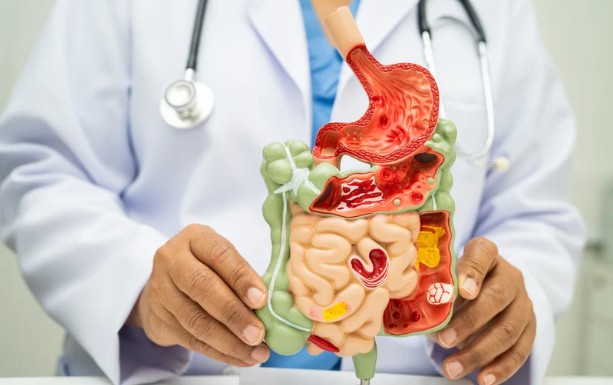
Our digestive system does more than just process food—it’s a barometer of overall health. When something is off in the gut, it often sends signals long before serious complications arise. Understanding these early warning signs of gut infections can help you take timely action, prevent further issues, and restore digestive balance.
Common Early Symptoms of Gut Infections
Gut infections can be caused by bacteria, viruses, or parasites, and their symptoms may vary depending on the type of infection. However, several common indicators suggest that your digestive system might be under stress:
Persistent Bloating and Gas
Occasional bloating is normal, but if you experience chronic bloating, excessive gas, or a feeling of fullness after small meals, your gut may be reacting to an infection or imbalance in its microbial community.
Abdominal Pain or Cramping
Sharp or lingering abdominal discomfort is often a sign of irritation or inflammation in the digestive tract. While occasional cramps can happen due to diet changes, consistent pain should not be ignored.
Changes in Bowel Movements
Infections can cause diarrhea, constipation, or alternating patterns of both. Noticing sudden changes in frequency, color, or consistency of stool may be an early indication of an underlying gut infection.
Unexplained Fatigue
Your gut plays a critical role in nutrient absorption. When infection hampers digestion, it can lead to deficiencies and overall fatigue. Feeling constantly tired despite adequate sleep may be linked to digestive issues.
Nausea or Loss of Appetite
An infected gut can trigger nausea, food aversions, or reduced appetite. These signs indicate that your digestive system is struggling to process food effectively.
Frequent Illness or Immune Weakness
A significant portion of the immune system resides in the gut. Recurring infections, colds, or flu may hint at an imbalance or infection in the digestive tract affecting immune function.
Causes of Gut Infections

Understanding potential causes can help in both prevention and treatment. Common sources include:
- Contaminated Food or Water: Bacteria like Salmonella or E. coli often enter the gut through improperly handled food or unclean water.
- Poor Gut Flora Balance: Antibiotics or an unhealthy diet can disrupt beneficial bacteria, making the gut more susceptible to infections.
- Parasites: Organisms such as Giardia or Cryptosporidium can cause persistent digestive disturbances.
- Viruses: Viral infections like norovirus can lead to acute digestive upset.
Diagnosing Gut Infections
Early recognition is essential, but confirming a gut infection typically requires testing. Traditional stool tests are useful, but advancements like the GI-MAP test at home offer a convenient way to analyze gut bacteria, parasites, and pathogens. This test can provide detailed insights into microbial imbalances, helping you and your healthcare provider tailor an effective treatment plan.
Steps to Support Gut Health

- Hydration: Drinking enough water helps flush out toxins and supports digestion.
- Balanced Diet: Incorporate fiber-rich fruits, vegetables, and fermented foods to nurture healthy gut bacteria.
- Probiotics: Supplements or probiotic-rich foods can help restore microbial balance.
- Stress Management: Chronic stress can disrupt gut function, so mindfulness practices like meditation or yoga may help.
- Medical Consultation: Persistent symptoms warrant a healthcare professional’s evaluation. Early intervention can prevent complications.
When to Seek Immediate Care
Some gut infections require urgent attention. Seek medical help if you experience severe abdominal pain, high fever, blood in stool, or prolonged vomiting. These could indicate serious infections needing professional treatment. Acting quickly can also help reduce injury risks associated with dehydration, weakness, or complications that may arise from untreated infections.
Listening to Your Gut
The key takeaway is simple: don’t ignore your gut’s signals. Persistent or unusual symptoms are your body’s way of alerting you that something isn’t right. By recognizing early warning signs, testing when necessary, and taking proactive steps to support gut health, you can restore balance and protect overall wellness.
Your gut health is more than just digestion—it’s a reflection of your body’s overall vitality. Listening carefully to its signals today can prevent complications tomorrow.