




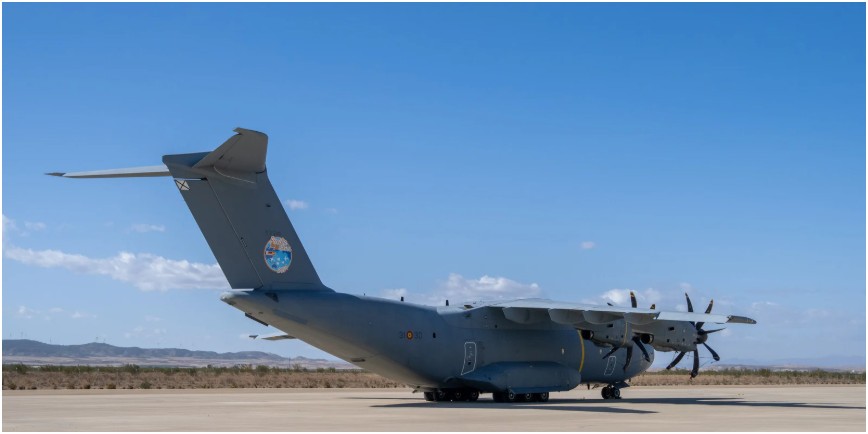
Air superiority has long been a decisive factor in military success. From early jet fighters to stealth-enabled multirole aircraft, military aviation has continually evolved to meet the demands of modern warfare.
Certain aircraft, however, stand out for fundamentally changing how wars are fought—altering strategy, tactics, and global power balances. Below are some of the top military aircraft that reshaped modern warfare and left a lasting mark on aviation history.
The F-16 Fighting Falcon: Versatility Redefined
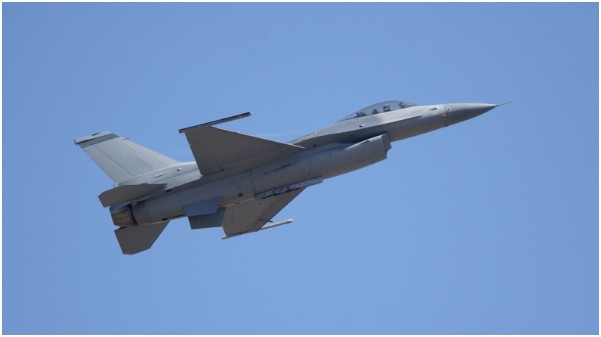
Introduced in the late 1970s, the F-16 Fighting Falcon revolutionized fighter design with its lightweight frame, exceptional maneuverability, and advanced avionics. Unlike earlier single-purpose fighters, the F-16 was designed as a true multirole aircraft, capable of air-to-air combat, ground attack, and reconnaissance missions.
Its affordability and adaptability led to widespread adoption by air forces around the world. The F-16 proved that one aircraft could effectively perform multiple missions, setting a new standard for flexibility in modern air combat.
The B-52 Stratofortress: Enduring Power Projection
Few aircraft demonstrate longevity like the B-52 Stratofortress. First flown in the 1950s, this long-range bomber remains in active service today. Its ability to deliver both conventional and nuclear payloads over intercontinental distances fundamentally changed strategic warfare.
The B-52 enabled sustained air campaigns and long-term deterrence strategies. Its continued upgrades—ranging from precision-guided munitions to modern targeting systems—highlight how adaptable platforms can remain relevant across generations of conflict.
The F-117 Nighthawk: The Stealth Pioneer
The F-117 Nighthawk marked a turning point in military aviation by introducing stealth technology to operational combat. Designed to evade radar detection, it allowed forces to strike high-value targets with unprecedented precision and minimal risk.
Its effectiveness during the Gulf War demonstrated that stealth could neutralize sophisticated air defense systems. This aircraft reshaped military planning, proving that technological superiority could outweigh numerical advantage.
The F-22 Raptor: Air Dominance Perfected
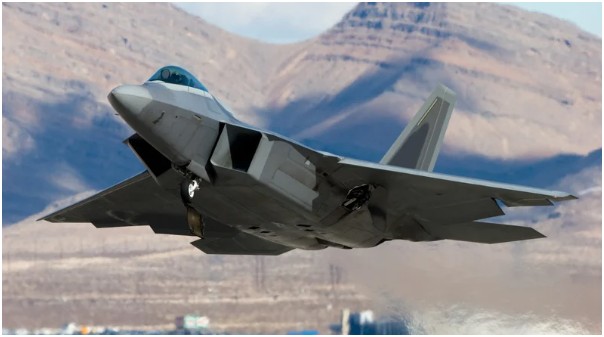
The F-22 Raptor took stealth, speed, and situational awareness to new heights. Designed primarily for air superiority, it integrates advanced stealth shaping, supercruise capability, and sensor fusion that gives pilots unmatched battlefield awareness.
The F-22 changed the concept of air combat by emphasizing “first look, first shot, first kill.” Its presence alone acts as a strategic deterrent, reinforcing the idea that dominance in the skies can prevent conflict before it begins.
The A-10 Thunderbolt II: Close Air Support Excellence
Nicknamed the “Warthog,” the A-10 Thunderbolt II transformed close air support operations. Built around a powerful cannon and designed to withstand heavy damage, it excels at supporting ground troops in hostile environments.
Its success showed the importance of specialized aircraft tailored to specific battlefield needs. The A-10’s effectiveness in protecting ground forces has influenced how militaries balance high-tech solutions with rugged, mission-focused design.
The MQ-9 Reaper: The Rise of Unmanned Warfare
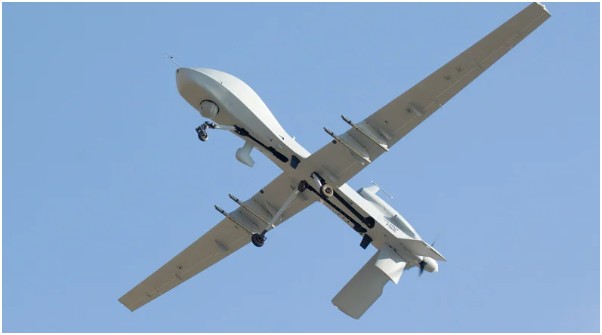
The MQ-9 Reaper ushered in a new era of unmanned aerial systems. Capable of long-endurance surveillance and precision strikes, it changed how militaries conduct reconnaissance and targeted operations.
Drones like the Reaper reduce risk to pilots while enabling persistent monitoring of conflict zones. Their widespread use has redefined intelligence gathering and precision warfare, making unmanned systems a cornerstone of modern military strategy.
Precision Manufacturing and Modern Aircraft
Behind these transformative aircraft lies advanced manufacturing and engineering. Technologies such as cnc machining for aerospace play a critical role in producing high-precision components required for stealth, durability, and performance.
As aircraft become more complex, the ability to manufacture exact parts to tight tolerances continues to shape the future of military aviation.
In Conclusion
The military aircraft that changed modern warfare did more than dominate the skies—they transformed strategy, redefined combat roles, and reshaped global defense planning.
From versatile multirole fighters to stealth aircraft and unmanned systems, each platform introduced innovations that influenced how conflicts are fought and prevented.
As technology continues to advance, future aircraft will build on these legacies, further redefining what air power means in modern warfare.