


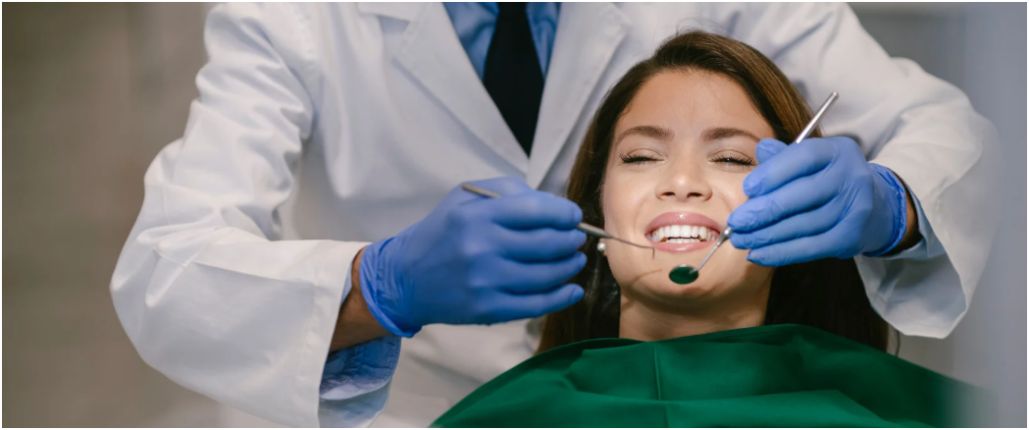
A dental emergency can strike at any moment. You might bite down on a hard kernel of popcorn, take a tumble during a sports game, or wake up in the middle of the night with a throbbing toothache. These situations often cause anxiety and confusion.
Knowing exactly what to do can make the difference between saving a tooth and losing it. This guide provides clear, practical steps to handle common dental crises calmly and effectively.
Assessing the Situation
The first step in any emergency is to stay calm. Panic often leads to poor decisions. Take a deep breath and assess the damage. Is there blood? Is a tooth broken or completely knocked out? Are you in severe pain? Identifying the specific problem helps you determine the urgency and the next best step.
If you experience severe bleeding that will not stop, or if you suspect a jaw fracture, go to a hospital emergency room immediately. For other dental issues, contact your dentist right away.
Handling a Severe Toothache
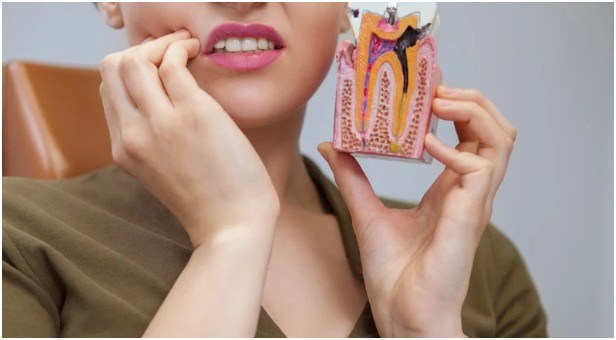
Toothaches are among the most common dental complaints. They can range from a dull ache to sharp, debilitating pain.
Immediate Relief Steps
Begin by rinsing your mouth with warm water to clean it out. Use dental floss to gently remove any food trapped between your teeth.
Avoid placing aspirin or any other painkiller directly against the gums near the aching tooth, as this may burn the gum tissue.
If your face is swollen, apply a cold compress to the outside of your cheek. Call your dentist as soon as possible. A persistent toothache usually signals an infection or decay that requires professional treatment.
Dealing with a Chipped or Broken Tooth
A broken tooth can feel rough and sharp to the tongue. It might also be sensitive to air and temperature.
Protecting the Tooth
Save any pieces of the broken tooth if you can find them. Rinse your mouth with warm water and rinse the broken pieces as well. If there is bleeding, apply a piece of gauze to the area for about 10 minutes or until the bleeding stops.
Apply a cold compress to the outside of the mouth, cheek, or lip near the broken tooth to keep any swelling down and relieve pain. See your dentist quickly. They can often repair the damage with a filling or a crown, restoring both function and appearance.
What to Do for a Knocked-Out Tooth
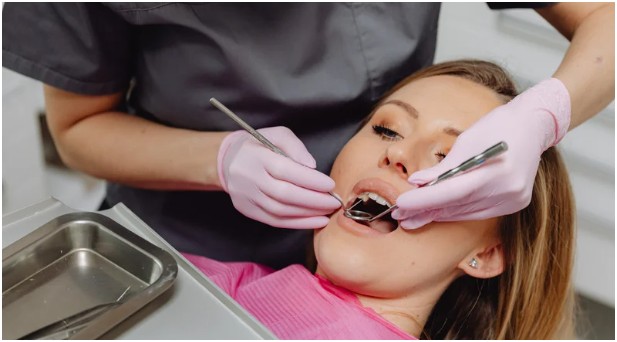
Having a tooth knocked out is a frightening experience, but time is of the essence. You have a small window of opportunity to save the tooth and your confidence.
Critical Actions to Take
Retrieve the tooth immediately. Hold it by the crown, which is the part that is usually exposed in the mouth. Do not touch the root. If the tooth is dirty, rinse it gently with water. Do not scrub it or remove any attached tissue fragments.
Try to put the tooth back in place. Make sure it is facing the right way. Never force it into the socket. If it is not possible to reinsert the tooth in the socket, put the tooth in a small container of milk or a product containing cell growth medium. In all cases, see your dentist immediately.
Knocked-out teeth with the highest chances of being saved are those seen by the dentist and returned to their socket within one hour of being knocked out.
Managing a Lost Filling or Crown
Fillings and crowns can sometimes loosen and fall out while eating. This exposes the sensitive underlying tooth tissue to temperature and pressure.
Temporary Fixes
If a crown falls off, make an appointment to see your dentist as soon as possible and bring the crown with you. If you can not get to the dentist right away and the tooth is causing pain, use a cotton swab to apply a little clove oil to the sensitive area. If possible, slip the crown back over the tooth.
Before doing so, coat the inner surface with an over-the-counter dental cement, toothpaste, or denture adhesive to help hold the crown in place. Do not use super glue.
Planning for Long-Term Solutions

Sometimes, despite your best efforts, a tooth cannot be saved. In these cases, you will need to discuss replacement options with your dental professional.
Losing a tooth affects your ability to chew and speak properly, and it can impact your self-esteem. Your dentist might suggest bridges, dentures, or implants as viable solutions.
For instance, if you are looking for permanent and stable options, you might research affordable dental implants in Munster IN or similar services in your local area to restore your smile.
Conclusion
Dental emergencies are stressful, but being prepared reduces anxiety and improves outcomes. Keep your dentist’s emergency number handy. maintaining good oral hygiene and wearing a mouthguard during sports are the best ways to prevent injuries.
However, when accidents happen, quick thinking and prompt action are your best defenses. Remember these steps, stay calm, and seek professional help immediately to protect your oral health.