




Playgrounds are much more than mere collections of steel and plastic; they are the vital arenas where childhood development unfolds. In these spaces, children refine their motor skills, spark imaginative play, and forge the social bonds that define their early years.
However, for a playground to truly serve its purpose, it must be a “paradise” built upon a foundation of uncompromising safety. Creating such an environment requires a meticulous blend of smart planning, high-quality materials, and inclusive design principles.
The Blueprint: Smart Layout and Zoning
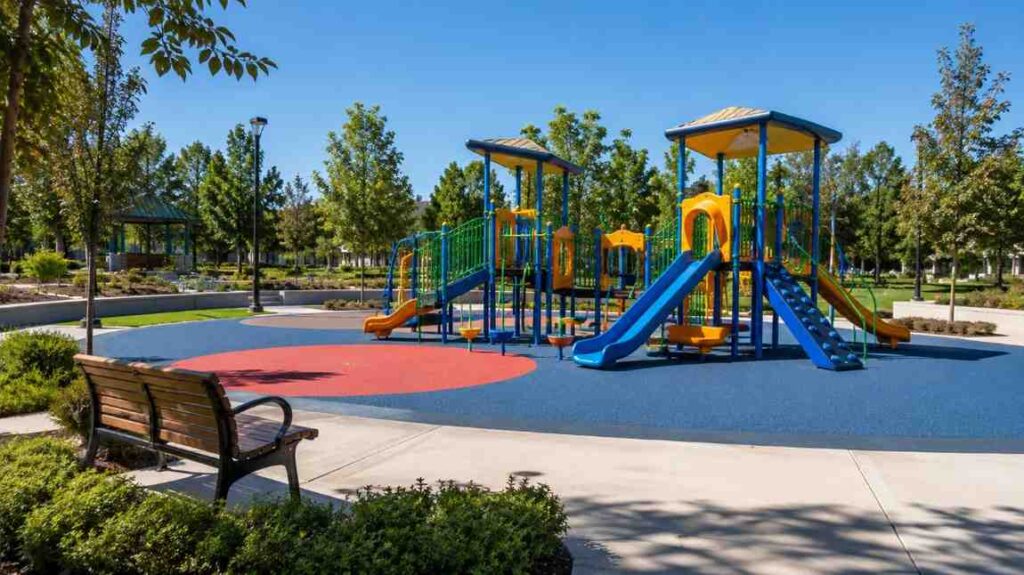
A safe playground environment begins long before the first piece of equipment is installed. Strategic layout planning is the first line of defense against preventable accidents. Effective design creates distinct zones tailored to different age groups and activity levels.
To minimize the risk of collisions, high-energy features such as swings and slides should be placed far from quiet activities like sandboxes or reading nooks. Furthermore, designers must prioritize clear sightlines.
Parents and supervisors need an unobstructed view of the entire space to monitor play effectively and respond quickly to any potential issues. Adequate spacing between structures—especially wide clearance arcs for swings—ensures that children can move freely without the threat of accidental impact.
The Foundation: Shock-Absorbing Surfacing
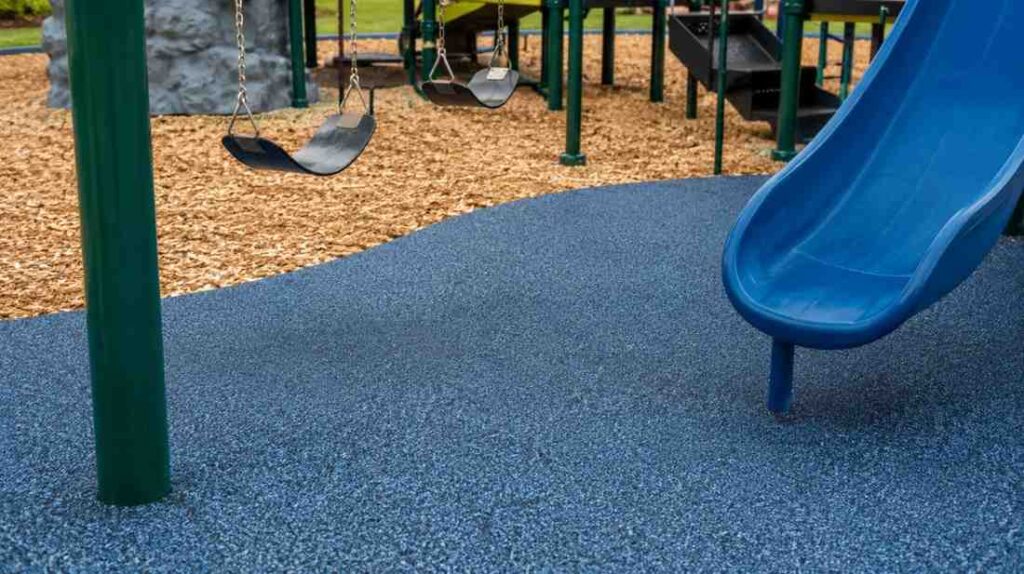
Since the majority of playground injuries are the result of falls, the choice of ground cover is perhaps the most critical safety decision. Hard surfaces like concrete or asphalt are fundamentally dangerous and should never be used under play equipment.
Instead, safe playgrounds utilize impact-absorbing materials to cushion tumbles. Popular options include:
- Rubber Mulch or Poured-in-Place Rubber: These offer superior shock absorption and durability.
- Engineered Wood Fiber: A specialized wood product designed to knit together for better impact attenuation.
- Large Bark Mulch: A popular and natural choice often found in parks across Salt Lake City.
For loose-fill materials, it is essential to maintain a depth of at least 12 inches to ensure they remain effective, particularly under high-impact zones like the base of slides or climbers.
Developmentally Appropriate Design
One of the most common causes of injury is children using equipment that is not suited for their developmental stage. A toddler’s motor skills are vastly different from those of a ten-year-old, and the playground should reflect that.
Safe environments provide separate, clearly labeled zones. Toddler areas (ages 2–5) should feature low-to-the-ground platforms, short slides, and stable climbing structures. Older children (ages 5–12) can safely enjoy more adventurous challenges, such as taller climbing walls, monkey bars, and rope bridges that build strength and coordination. Using reputable manufacturers who label equipment with recommended age ranges is a vital step in this process.
Environmental Comfort and Inclusivity
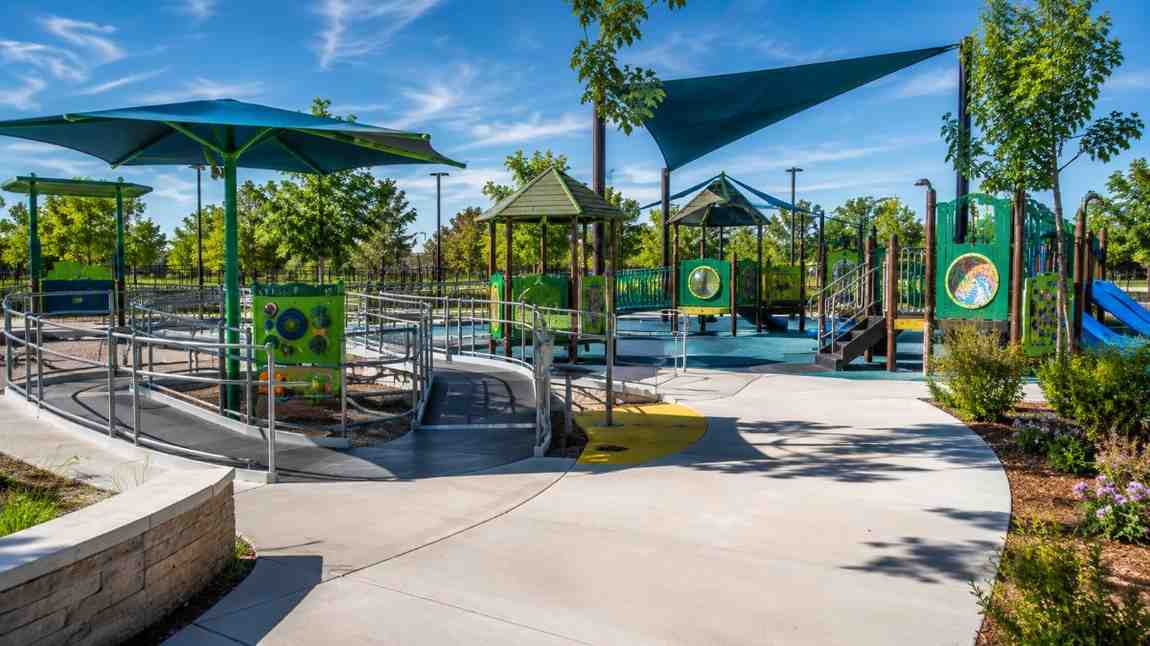
Safety also encompasses the emotional and physical well-being of a child within the environment. This means designing for inclusivity, ensuring children of all abilities can explore together. Accessible playgrounds feature wide, smooth pathways for wheelchairs, ramps, and sensory play panels that engage children with varying sensitivities. Even seasonal swimwear trends influence splash-zone comfort
Physical protection from the elements is another overlooked safety factor. Metal slides and surfaces can reach temperatures high enough to cause burns in direct sunlight. Incorporating natural elements like trees or artificial structures for park shade in Utah is essential for keeping equipment cool and protecting young adventurers from intense UV exposure during the peak summer months.
The Human Element: Supervision and Rules
 While physical design is paramount, the human element remains the final safeguard. Active adult supervision is the most effective way to prevent risky behaviors, such as climbing up the front of a slide or walking too close to a moving swing. Caregivers should stay close, remain vigilant, and avoid distractions.
Furthermore, establishing and posting clear, simple rules helps children understand the boundaries of safe play. Simple guidelines—such as using equipment one at a time and going down slides feet first—encourage responsible behavior and ensure the fun lasts.
Sustaining the Paradise: Maintenance
Finally, a safe playground is not a one-time project but an ongoing commitment. Regular inspections are necessary to identify loose bolts, worn ropes, or damaged surfacing before they pose a hazard. By combining thoughtful landscape design with a rigorous maintenance schedule, we create more than just a park—we build a secure haven where every child has the freedom to thrive, dream, and grow.