




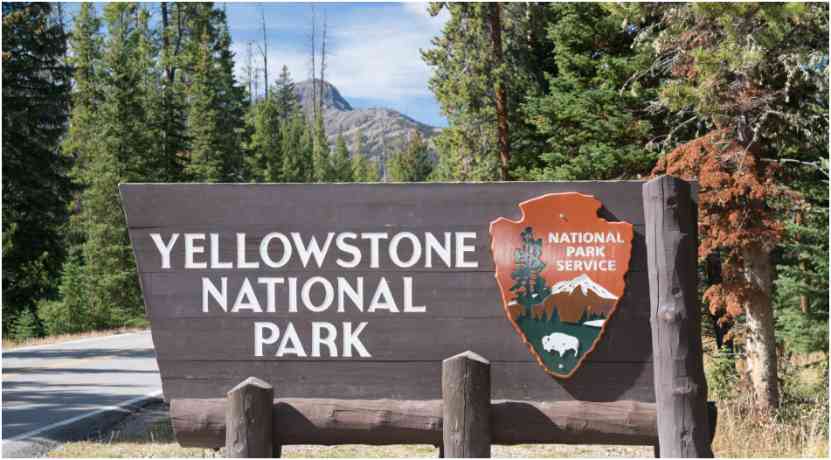
Walking into Yellowstone for the first time is unlike any other vacation experience, and knowing what lies ahead helps first-time visitors make the most of every moment. From the scale of the landscape to the rhythms of wildlife and weather, a little preparation transforms a good trip into an unforgettable one.
Understanding the Scale Before You Arrive
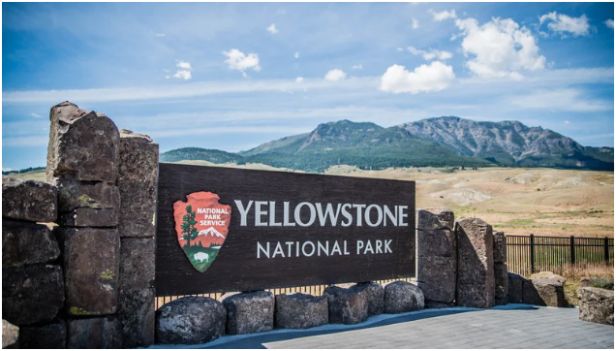
Yellowstone covers more than two million acres, an area larger than Rhode Island and Delaware combined. This scale shapes nearly every decision visitors make, from how many days to plan to how much driving to expect between attractions.
The Park Is Bigger Than Most People Imagine
Many first-time visitors arrive expecting to see the entire park in a day or two. This rarely works out the way they hope.
The famous landmarks are spread across hundreds of miles of winding park roads, and traffic, wildlife encounters, and unexpected stops mean that travel times often double or triple compared to similar distances elsewhere.
Building flexible schedules and accepting that you cannot see everything in one trip helps reduce frustration and makes room for the surprises that often become trip highlights.
Multiple Entrances Lead to Different Worlds
Five entrances connect to different regions of the park, and each offers a distinctly different first impression. The northern entrance leads to wildlife-rich valleys, the western entrance puts visitors closer to geyser basins, and the southern entrance flows in from Grand Teton National Park with stunning mountain views. Choosing where to enter based on what you most want to see can save hours of driving and shape the entire feel of your visit.
Wildlife Encounters You Should Anticipate
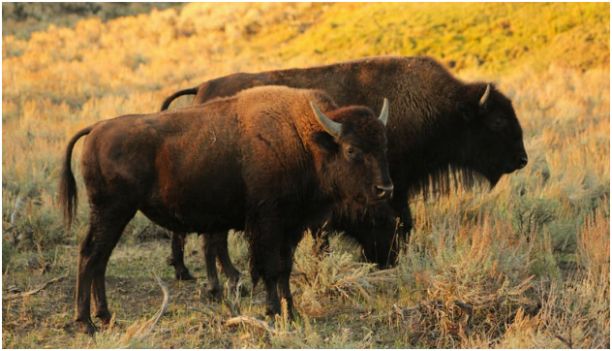
One of Yellowstone’s defining features is the abundance of large animals living freely throughout the park. Visitors regularly see bison, elk, deer, and bears during normal travel, and learning what to expect makes these encounters safer and more rewarding.
Bison Traffic Jams Are Real
Bison frequently walk down park roads, stopping traffic for minutes or even hours at a time. These massive animals weigh up to two thousand pounds and move on their own schedule, completely indifferent to vehicles waiting behind them. Patience is essential, and so is keeping a respectful distance. Visitors who try to rush past or pressure the animals risk both injury and serious fines from park rangers.
Bears, Wolves, and Other Iconic Predators
Both black bears and grizzly bears live throughout the park, and wolf populations have recovered remarkably since their reintroduction decades ago. Most visitors who see predators spot them at a distance through binoculars or telephoto lenses. Encountering one closer than that is rare and requires immediate, careful response.
Yellowstone guided tours often include early morning or late evening wildlife viewing sessions led by experienced naturalists who know exactly where to look and how to maintain safe distances while creating memorable sightings.
Smaller Creatures Worth Watching For
Beyond the big mammals, the park hosts foxes, otters, pronghorn antelope, bighorn sheep, dozens of bird species, and countless smaller creatures that often reward careful observation. Slowing down and scanning the landscape rather than racing between famous overlooks frequently produces some of the most rewarding moments of a visit.
Weather and Elevation Will Shape Your Day
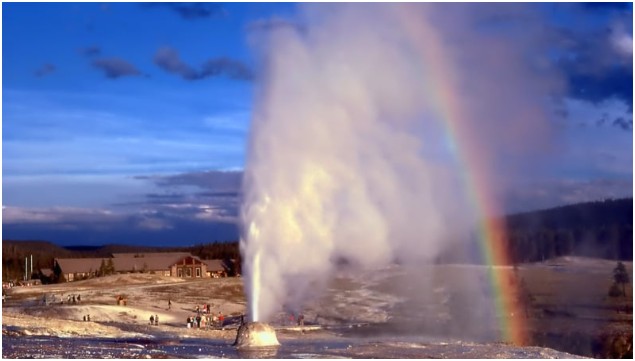
Yellowstone sits at high elevation, mostly above seven thousand feet, and the climate behaves accordingly. Weather can change dramatically within a single day, and what works for one hour might fail completely two hours later.
Summer Days Can Surprise You
Summer brings warm afternoons that easily reach the eighties, but mornings often start in the forties and evenings can dip below freezing even in July similar like life in snowy regions. Sudden thunderstorms roll across the park during afternoons, sometimes bringing hail, lightning, or brief but heavy rain. Dressing in layers and keeping rain protection accessible prevents a beautiful day from turning miserable.
Winter Transforms Everything
Winter visits offer a completely different experience, with most park roads closed and access limited to snowmobiles, snow coaches, and cross-country skis. Wildlife congregates in lower elevations, making sightings more concentrated and dramatic. The snow-covered geyser basins create surreal landscapes few summer visitors ever witness, though the cold demands serious preparation and gear.
Altitude Affects How You Feel
The high elevation can leave visitors winded during simple walks, dehydrated faster than expected, and more vulnerable to sunburn even on cool days. Drinking more water than usual, applying sunscreen regularly, and pacing physical activities help prevent altitude-related discomfort and reduce injury risks from derailing your plans.
The Iconic Sights You Should Not Miss
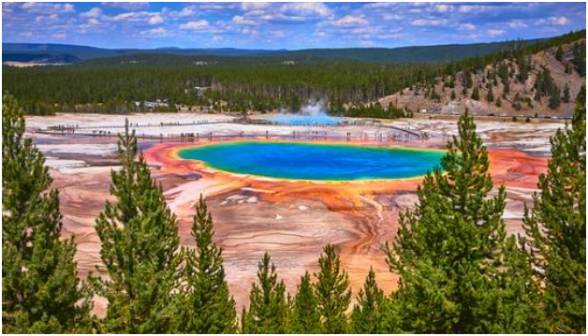
While the park rewards exploration far beyond the famous spots, certain destinations have earned their reputations and deserve a place on any first-time itinerary.
Old Faithful and the Upper Geyser Basin
Old Faithful erupts roughly every ninety minutes, and the surrounding basin contains the highest concentration of geysers anywhere on Earth. Spending several hours here rather than just stopping for one eruption reveals dozens of other thermal features ranging from colorful hot springs to smaller geysers with their own dramatic personalities.
Grand Prismatic Spring and Midway Geyser Basin
The rainbow colors of Grand Prismatic Spring make it one of the most photographed natural features in the world. The boardwalk views are impressive, but the elevated overlook from a nearby trail provides the dramatic perspective most travelers picture before arriving.
The Grand Canyon of the Yellowstone
The dramatic canyon and twin waterfalls along the Yellowstone River offer some of the park’s most breathtaking scenery. Multiple viewpoints provide different angles, and short hikes lead to perspectives that less-mobile visitors often miss.
Lamar and Hayden Valleys
These wide grassland valleys are the best places in the park for wildlife viewing, especially during early morning and evening hours. Patient visitors with binoculars often witness wolves hunting, bears foraging, and large herds of bison moving across landscapes that have changed little in centuries.
Conclusion
Your first Yellowstone visit will leave impressions that last a lifetime, especially when you arrive prepared for the scale, the wildlife, and the changing conditions that define the experience. Partnering with experienced guides can help you navigate the park confidently and ensure your first trip becomes one you will plan to repeat for years to come.