




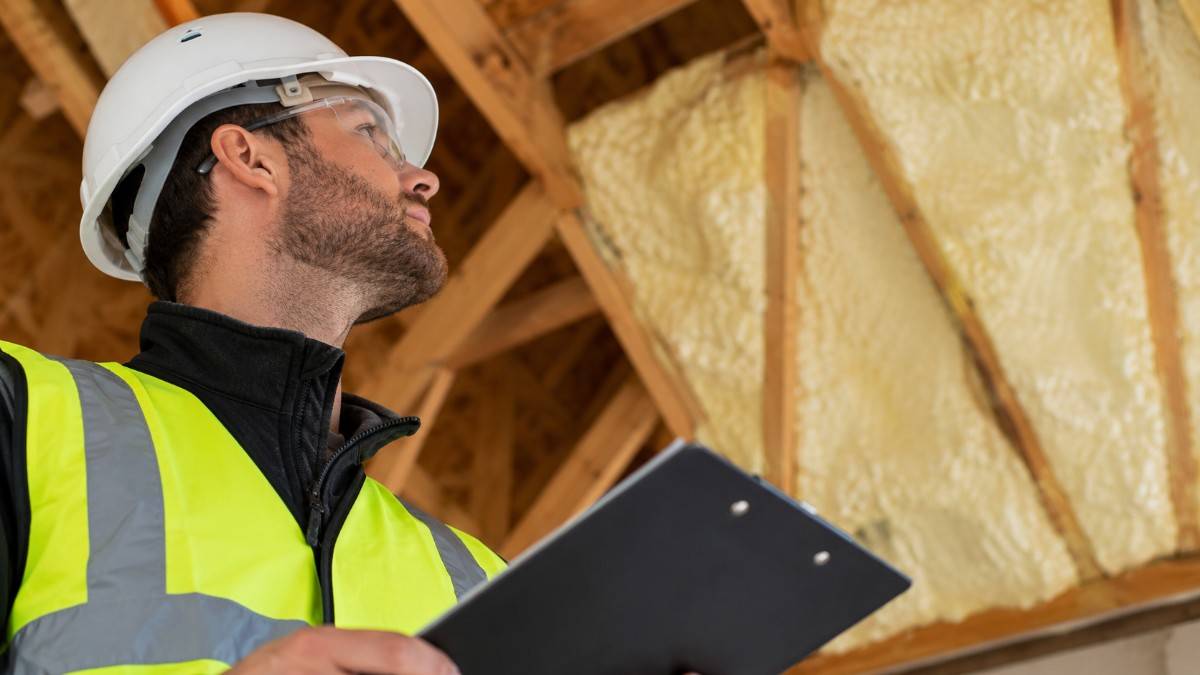
Spray foam insulation seemed like a brilliant idea at the time. Warm home, lower energy bills, quick installation — the pitch made sense, and thousands of UK homeowners took it up, particularly during periods when government-backed energy efficiency schemes made it even more accessible.
The problem came later. Not with the foam itself necessarily, but with what lenders, surveyors, and buyers started saying about it.
Properties with spray foam insulation in the roof space have run into significant mortgage issues. Lenders have become increasingly cautious — some refusing to lend against properties where spray foam is present, others requiring specialist surveys before agreeing to proceed. For homeowners who installed foam years ago without any concern, the discovery that it’s now affecting their ability to sell or remortgage has come as a genuine shock.
Good spray foam removal advice at this stage isn’t just useful — for many homeowners, it’s urgent.
Why Lenders Have Become So Cautious
The concerns from mortgage lenders aren’t arbitrary. They centre on a few specific issues that spray foam insulation can create over time:
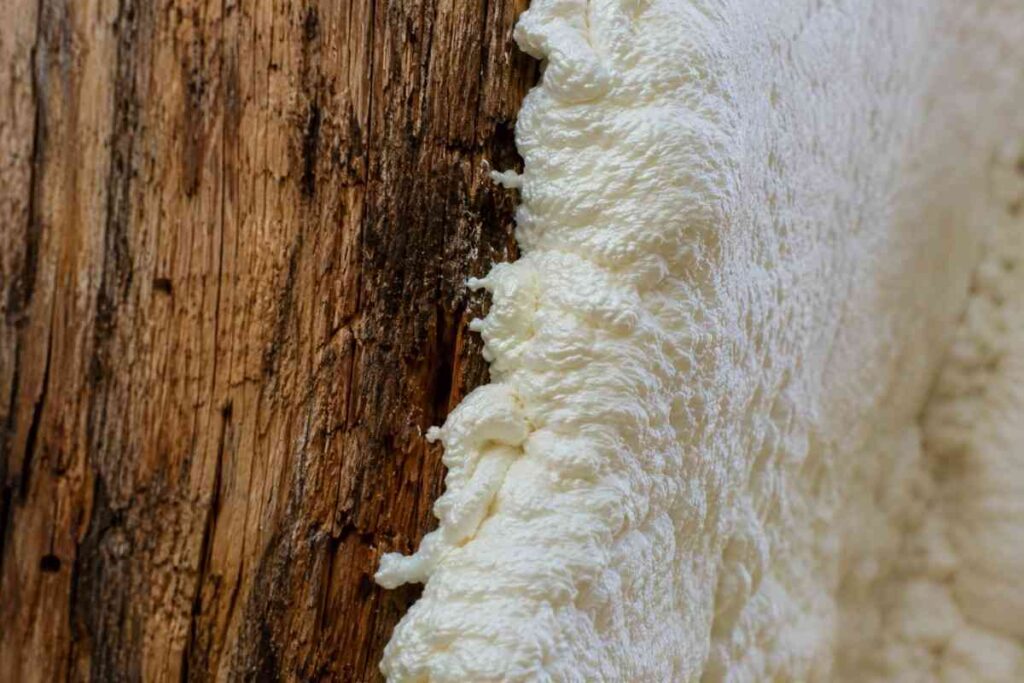
- Roof structure visibility — Closed-cell spray foam bonds tightly to roof timbers, making it impossible for surveyors to visually inspect the structure beneath it for rot, damage, or movement
- Moisture trapping — Certain foam types can trap moisture against timber, accelerating deterioration in ways that aren’t detectable until significant damage has occurred
- Removal complexity — Because the foam adheres so firmly, removal is a specialist job — and lenders factor in both the cost and the risk of structural disturbance during that process
- Valuation impact — Some surveyors are downvaluing or declining to value properties where foam is present, creating a practical barrier to sale regardless of lender position
Not every installation causes problems. But the uncertainty is enough for cautious lenders to apply blanket policies rather than case-by-case assessments.
What Homeowners Are Actually Facing

The situation varies depending on the type of foam installed, how it was applied, the age of the roof timbers, retaining wall fail and which lender or surveyor is involved. Open-cell foam tends to attract different concerns than closed-cell. Foam applied to a relatively new roof sits differently than foam bonded to timbers that were already several decades old.
What’s consistent is the disruption to plans. Homeowners who listed their property expecting a straightforward sale have found buyers unable to secure mortgages. Others looking to remortgage to a better rate have discovered their current lender is the only one willing to continue, removing any competitive leverage entirely.
The practical path forward almost always involves assessment first, then a decision on whether removal is necessary, advisable, or — in some cases — possible to avoid.
The Assessment Step Most People Skip
Many homeowners jump straight to seeking removal quotes without first getting an independent assessment of what they’re actually dealing with. This is understandable but counterproductive.
An independent specialist — not a removal company with a financial interest in the outcome — can determine the foam type, assess the current condition of the roof structure, and give an honest view of whether removal is genuinely necessary or whether alternative documentation might satisfy a lender’s concerns.
This step changes the conversation entirely. Customers who come to removal companies already knowing exactly what they have and why removal is necessary are in a far stronger negotiating position.
Finding the Right Path Forward
Seeking proper spray foam removal advice from a qualified, impartial source before committing to any course of action is the most important step any affected homeowner can take. The demand for services of spraying foam removal led to an emergence of many firms on this market, but all of them do not have equal level of professionalism and openness.
Questions worth asking any specialist:
- Are they members of a recognised trade body?
- Do they carry appropriate insurance for structural work?
- Will they provide a written condition report before and after?
- What guarantees do they offer on the work carried out?
The foam went in quickly. Getting the situation resolved with home repairs properly takes more care — but it’s entirely achievable with the right guidance.