





A retaining wall may appear stable, yet subtle changes can indicate underlying problems. Cracks, leaning sections, and drainage concerns rarely develop without a cause. Recognizing these warning signs early can help protect the appearance and stability of your landscape.
Small issues can become larger structural concerns when they go unnoticed. Knowing what to look for allows property owners to act before damage progresses. This article explores five signs that a retaining wall may be failing and what steps can help address the problem.
The Wall Starts to Lean Forward
A retaining wall should remain straight throughout its lifespan. When part of the structure begins to lean outward, pressure from saturated soil or inadequate drainage may be building behind it. This movement can gradually affect stability and place additional stress on the materials.
Even a slight tilt should not be ignored because early retaining wall repair can help correct the issue before movement becomes severe. As pressure continues to increase, the structure may lose its ability to properly support the surrounding grade.
Nearby landscape features can also become vulnerable if the condition progresses without attention.
Cracks Continue to Grow Across the Surface
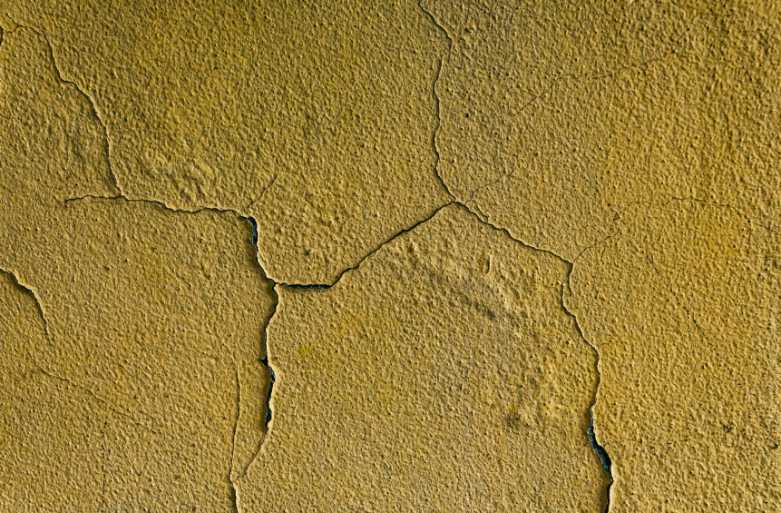
Small surface imperfections may appear as materials age, but widening cracks usually indicate a deeper concern. Settlement beneath the structure, shifting ground conditions, or pressure from accumulated moisture can create stress that leads to visible fractures.
Cracks that continue to spread can reduce the strength of the structure over time. When multiple areas show similar damage, the issue may extend beyond a single section. Careful assessment helps determine the extent of the problem before additional deterioration occurs.
Water Collects Near the Wall
Water management plays a major role in retaining wall performance. When moisture collects near the structure after rainfall, it may indicate that drainage systems are no longer working effectively. Excess water increases pressure behind the wall and contributes to unstable soil conditions.
Other warning signs may include erosion near planting beds, persistent wet spots, or staining on visible surfaces. These conditions suggest that water is not moving away from the area as intended and may be placing unnecessary strain on the structure.
Some Wall Sections Begin to Bulge or Shift
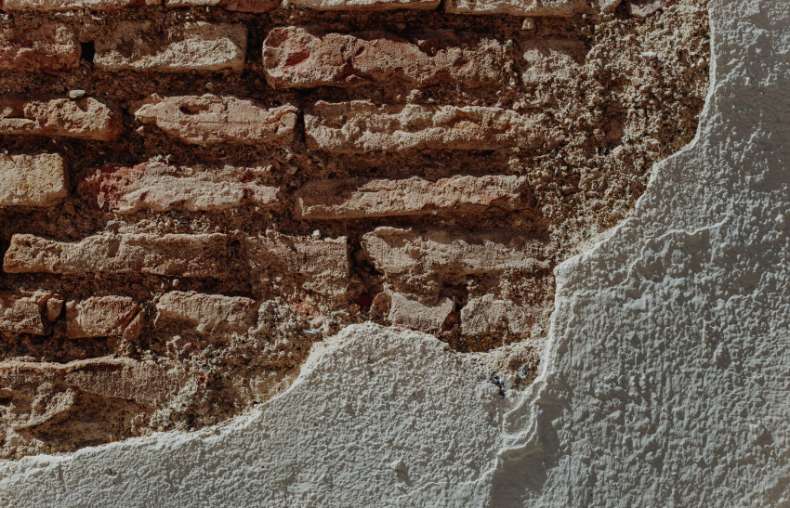
A retaining wall should maintain a consistent shape along its entire length. When portions begin to bulge outward, pressure from the surrounding soil may be overwhelming the structure’s ability to remain stable. This condition usually develops gradually and becomes more noticeable with time.
Bulging sections indicate that significant stress is affecting the wall. If left unaddressed, the movement can spread and impact nearby hardscape features, planting areas, and other landscape elements.
What Should You Do When These Warning Signs Appear?
When a retaining wall exhibits leaning, cracking, drainage concerns, bulging, or soil displacement, prompt action can help prevent larger structural issues.
A professional inspection allows experts to identify the source of the problem and evaluate the overall condition of the structure.
If several issues are competing for attention, knowing how to prioritize home repairs can help property owners decide which problems need immediate action and which can be planned for later.
Depending on the findings, solutions may include drainage improvements, reinforcement measures, partial reconstruction, or retaining wall repair.
Addressing concerns early helps protect nearby landscape features while reducing the likelihood of more extensive corrective work later. Professional guidance also ensures that repairs focus on the underlying cause rather than visible symptoms alone.
Retaining walls contribute greatly to the function, safety, and appearance of outdoor spaces. Paying attention to early warning signs can help property owners address concerns before they develop into larger structural challenges.
Professional evaluation provides valuable insight into the condition of the structure and the most suitable corrective measures.
Timely attention supports long-term landscape stability and helps preserve property value. The same proactive approach applies to other exterior maintenance concerns, including what homeowners should know about window glass repairs, since small damage around the home can become more costly when ignored.