




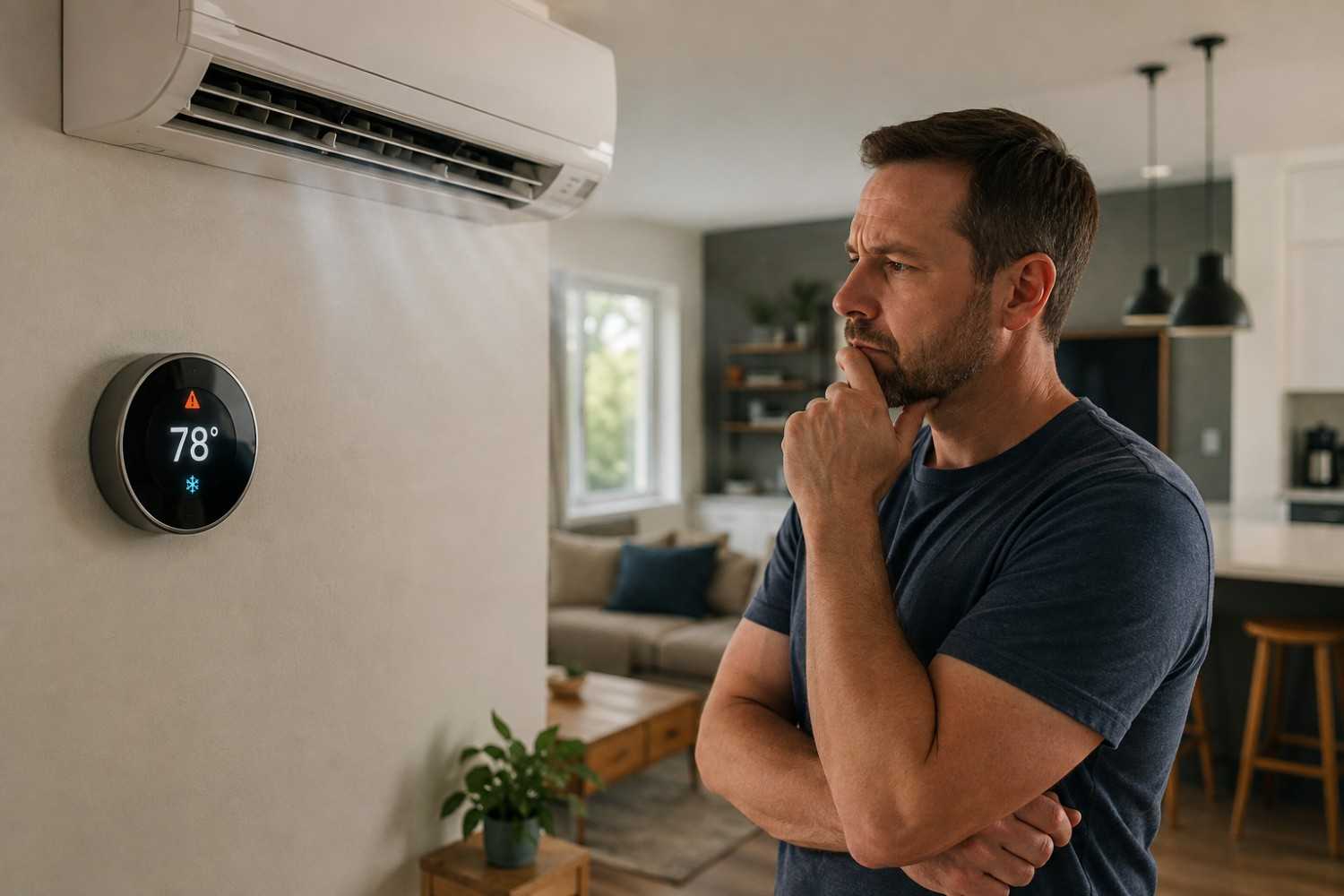
A cooling system rarely fails without warning. In most homes, the breakdown is preceded by a series of smaller signals that are easy to dismiss at first and expensive to ignore later. The difference between a manageable repair and a midsummer emergency often comes down to whether those signals are recognized early.
For homeowners, the practical question is not whether an air conditioner can fail. It is whether the system is quietly telling you that failure is getting closer. That is where a disciplined approach matters. Efficient Systems Heating and Cooling provides AC repair in Murray and the surrounding areas to help homeowners find comfort.
The Early Warning Signs Are Usually Functional, Not Dramatic
Most people expect an AC breakdown to look obvious. In reality, the early stages are often subtle. The system still runs, but it runs differently. Airflow weakens. Temperatures become inconsistent. The unit cycles in a pattern that feels off. That is the point when a homeowner should start paying attention.
The most common mistake is assuming that a system is either working or not working. Cooling equipment is more deceptive than that. A unit can continue operating while a capacitor weakens, a blower motor struggles, or a refrigerant leak slowly reduces performance. By the time the home feels truly uncomfortable, the system may already have been under stress for weeks.
Efficient Systems Heating and Cooling sees this pattern often. A small symptom appears first, then another. When those clues are treated as noise instead of evidence, the eventual repair is usually more involved.
Warm Air, Weak Airflow, and Uneven Cooling
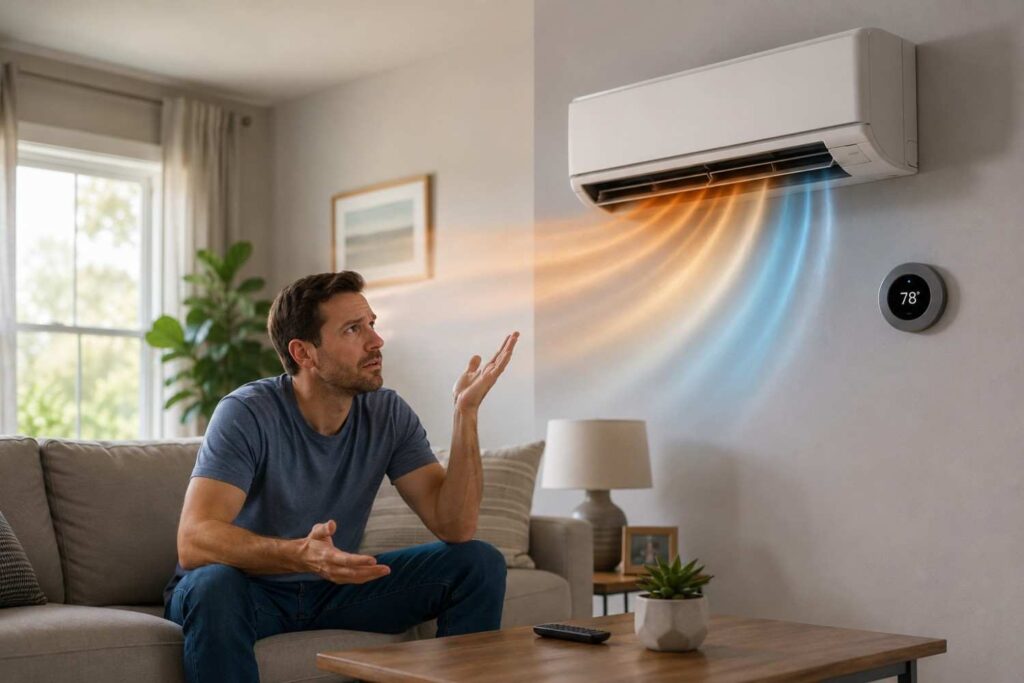
One of the clearest signals of trouble is air that is no longer as cold as it should be. That may seem simple, but the cause can vary widely. A clogged filter can restrict airflow. A refrigerant problem can reduce the system’s ability to absorb heat. A failing blower motor can keep conditioned air from moving properly through the home.
Weak airflow is just as important. If certain rooms seem harder to cool, or vents feel noticeably less forceful than they used to, the problem may be mechanical rather than cosmetic. When airflow drops, the system works longer to compensate, which creates more wear and raises the odds of a full breakdown.
Short-Cycling Is a System Under Stress
Short-cycling happens when the air conditioner turns on and off too frequently instead of completing a normal cooling cycle. That pattern is not just inefficient. It is a signal that something in the system is not operating correctly.
The cause could be electrical, refrigerant-related, or linked to overheating inside the equipment. It can also appear when the unit is oversized, though in many homes it is caused by a repairable fault rather than a design problem. Either way, short-cycling puts repeated strain on start-up components and increases the likelihood that another part will fail soon after.
Mechanical and Electrical Noises Usually Point to a Developing Failure
A healthy air conditioner should not sound strained. Some operational noise is normal, but new sounds almost always deserve attention. Clicking, buzzing, rattling, grinding, or squealing rarely appear for no reason. They usually indicate that a part is loose, failing, or being asked to do more work than it should.
This is where professional diagnosis matters. A noise can come from multiple sources, and guessing at the cause wastes time. Efficient Systems Heating and Cooling approaches these problems by tracing the symptom back to the actual failure point instead of making a temporary adjustment and hoping for the best.
What Different Sounds Can Suggest
A few examples help show why noise should never be ignored:
- Clicking may point to electrical control issues or a relay problem.
- Buzzing can suggest an electrical fault, a failing contactor, or a stressed component.
- Grinding may indicate a motor issue that should be addressed quickly.
- Squealing often points to belt or bearing trouble, depending on the equipment.
- Rattling can come from loose panels, but it can also signal internal wear.
A homeowner does not need to identify the exact part. What matters is understanding that the sound is evidence of change. That change usually means the system is no longer operating within normal limits.
Electrical Symptoms Are Especially Important
Electrical problems often show up before a complete failure. A weak capacitor, for instance, may let the system start inconsistently or place extra strain on the compressor and blower motor. Those are not isolated symptoms. They often cascade. One stressed component forces another to work harder, and the result is a chain reaction.
That is why quick fixes can be misleading. A system may restart after a reset or temporary adjustment, but if the underlying fault remains, the breakdown is still coming. Good repair work addresses the source, not just the appearance of recovery.
Refrigerant Problems and Moisture Clues Should Never Be Handled Lightly
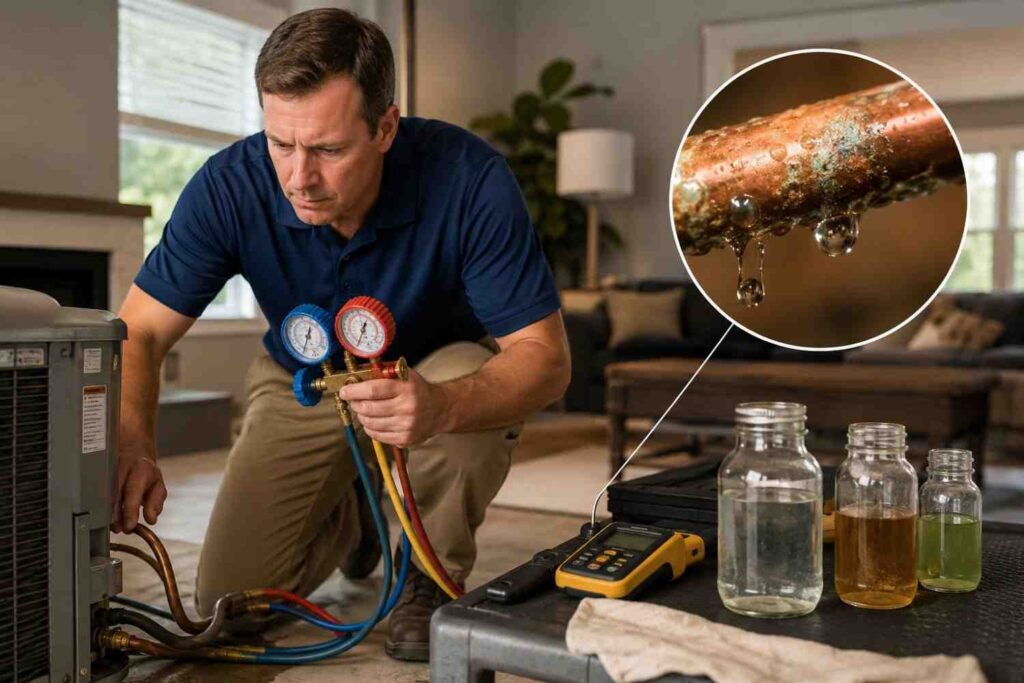
Refrigerant issues are easy to misunderstand because the system may still produce some cooling even when a leak is present. That partial performance creates false confidence. The unit is not fixed; it is simply degrading in a way that may not be obvious yet.
A refrigerant leak reduces efficiency and can contribute to poor cooling, icing, or shutdowns. It also puts stress on the compressor, which is one of the more costly components in the system. Simply adding refrigerant is not a real solution if the leak itself is still active. The correct approach is electronic leak detection and structural repair so the problem does not return.
High indoor humidity is another clue that the system is underperforming. An air conditioner does more than cool the air. It also helps remove moisture. When humidity rises even though the system is running, something in the cooling process is off. That can come from refrigerant trouble, a failing coil, or airflow issues.
For homes with a ductless mini-split, the same principle applies. If the unit is cooling unevenly, icing, leaking, or struggling to manage humidity, the issue still needs a proper diagnostic approach. Efficient Systems Heating and Cooling services both central systems and ductless mini-split units, which matters because the warning signs are often similar even when the equipment design differs.
The Real Cost of Waiting Is Not Just the Repair Bill
The most expensive AC problem is often not the first one. It is the issue that follows because the original symptom was ignored. A weak capacitor can lead to compressor stress. A blower motor problem can create airflow restrictions that overwork other components. A refrigerant leak can snowball into bigger system damage if the unit keeps running under strain.
Waiting also creates a comfort problem that is easy to underestimate. When a system becomes unreliable, the home temperature starts fluctuating. Sleep becomes harder. Indoor humidity feels higher. The equipment may break down during the hottest stretch of the season, when every delay feels longer, and the pressure to get fast help is higher. Understanding the risks of delaying emergency AC repairs can help homeowners recognize why seemingly minor cooling problems deserve prompt attention.
That is one reason homeowners benefit from prompt diagnostics instead of repeated trial-and-error fixes. Efficient Systems Heating and Cooling offers same-day and emergency AC repair options for homeowners in Murray and surrounding areas, which is valuable when a warning sign is already showing and the margin for delay is shrinking.
What Good AC Repair Looks Like in Practice
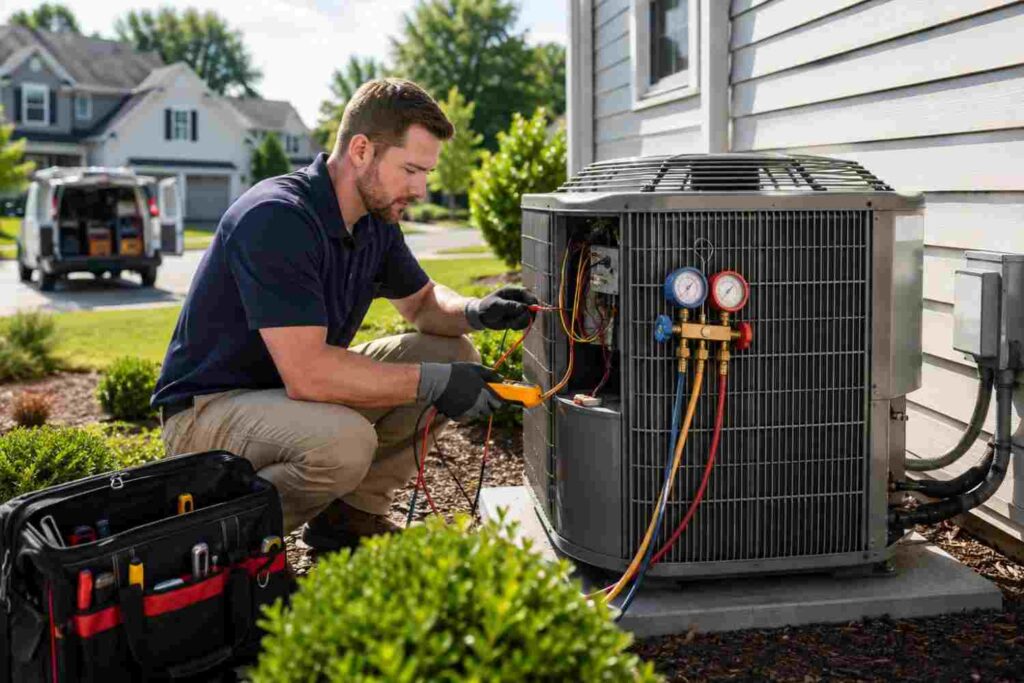
Good repair work is not just about replacing a part. It is about identifying why the part failed, how much surrounding stress the system has absorbed, and whether the unit is safe to keep operating as-is. That is a very different standard from a surface-level fix.
A strong technician will usually look for:
- airflow restrictions
- electrical failures
- refrigerant loss
- motor strain
- abnormal cycling patterns
- evidence of recurring breakdown conditions
That broader view matters because it helps prevent repeat service calls for the same unresolved issue. It also gives the homeowner a clearer picture of whether repair is the sensible path or whether a larger equipment decision should be discussed later.
Efficient Systems Heating and Cooling is built around that kind of clarity. The company emphasizes upfront pricing, clear repair plans, and respectful service, which is exactly what homeowners need when the cooling system has become unreliable and the next move matters.
Small Symptoms Deserve Fast Attention Because They Rarely Stay Small
The best time to address an AC problem is usually before the system stops completely. Once the unit is warm, noisy, short-cycling, leaking, or losing airflow, it is already telling you that a component is struggling. Ignoring that message usually makes the repair more disruptive and more expensive.
The smarter move is to treat warning signs as useful information. That means acting when cooling becomes uneven, when noise changes, when humidity rises, or when the system cycles in a way that no longer feels normal. Those are not random annoyances. They are often the earliest evidence that a breakdown is forming.
For homeowners who want a practical, honest assessment, Efficient Systems Heating and Cooling offers the kind of diagnosis that can separate a minor repair from a major failure. And when the issue is caught early, that distinction can make all the difference.