




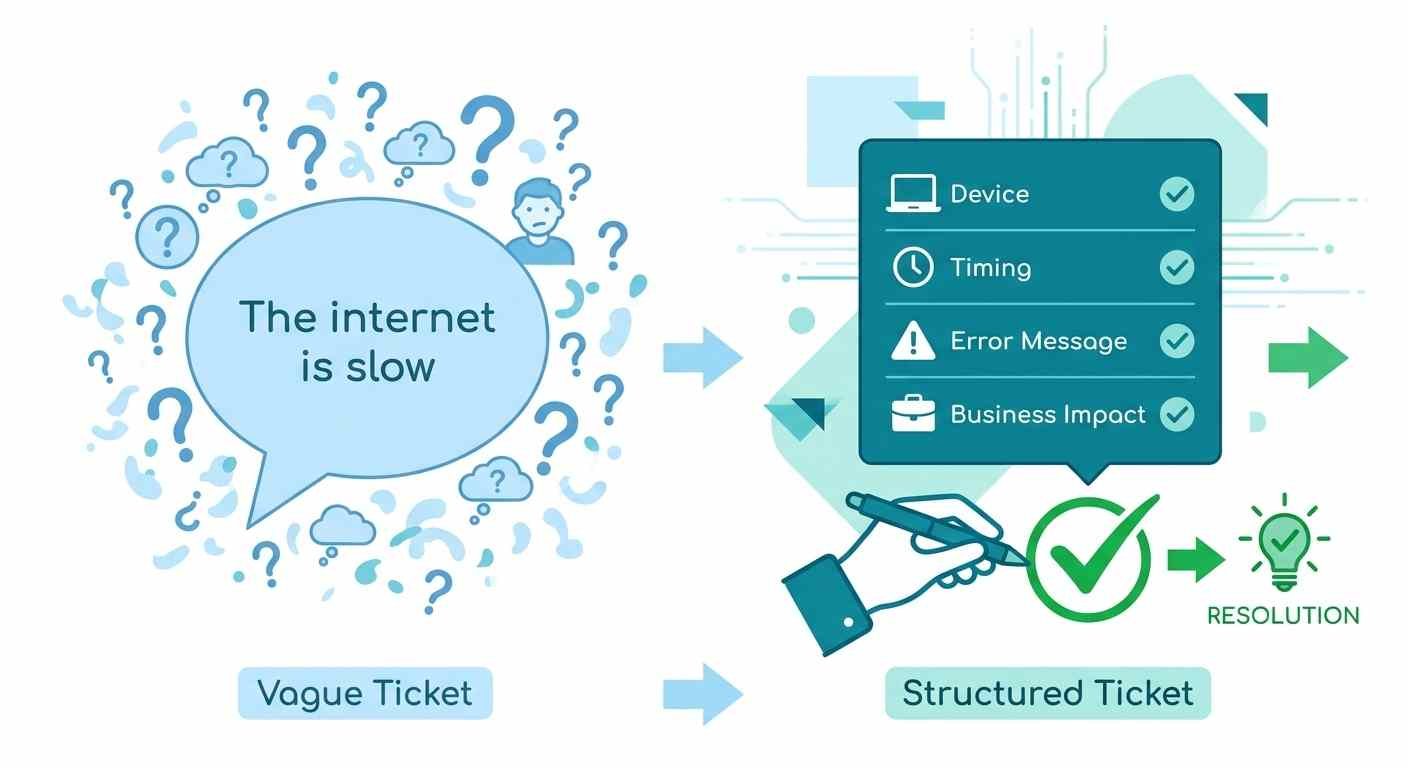
“The internet is slow” tells IT that someone needs help, but it leaves many questions unanswered. Which device is affected? When did the problem start? What work is being interrupted? Including those details in the first ticket helps the support team begin troubleshooting with less back-and-forth.
That is why the best managed help desk services do not treat ticket intake as a clerical step. They treat it as the first stage of remediation. When a ticket is complete, well-structured, and easy to interpret, support teams can diagnose patterns faster, route issues correctly, and avoid repeating the same work week after week. Netcuras approaches this with the same strategic mindset: better input leads to better resolution.
Why Ticket Quality Shapes the Entire Support Experience
Many organizations assume a ticket is simply a request for help. In reality, it is the record that drives prioritization, ownership, troubleshooting, and follow-up. If the first entry is vague, the entire support process becomes slower and less reliable.
A useful ticket does more than describe a problem. It gives the help desk enough context to understand what changed, who is affected, how urgent the issue is, and what has already been tried. That context prevents back-and-forth exchanges and helps support staff focus on root cause instead of guesswork.
For internal IT teams, this matters because ticket quality directly affects workload. A weak ticket creates avoidable friction for the employee, the service desk, and the engineers trying to solve the issue. A strong ticket creates momentum from the start.
The Cost of Ambiguity
A ticket that says “computer not working” may be technically true, but it is operationally weak. It does not explain whether the issue is a login failure, a network problem, a device crash, or an application error. Support must start from zero.
By contrast, a ticket that identifies the device, the symptom, the timing, and the impact allows the technician to narrow the field immediately. That kind of specificity reduces repeat contact, shortens triage, and makes it easier to separate isolated incidents from broader infrastructure problems.
What Good Input Enables
A well-written ticket helps support teams do four things more effectively:
- Assign the issue to the right person or group.
- Judge urgency based on business impact, not just noise.
- Reproduce the problem with fewer follow-up questions.
- Spot recurring patterns that deserve a permanent fix.
This is one reason Netcuras emphasizes issue remediation rather than quick patchwork. Good tickets support better engineering decisions, not just faster replies.
The Core Details Every Ticket Should Capture
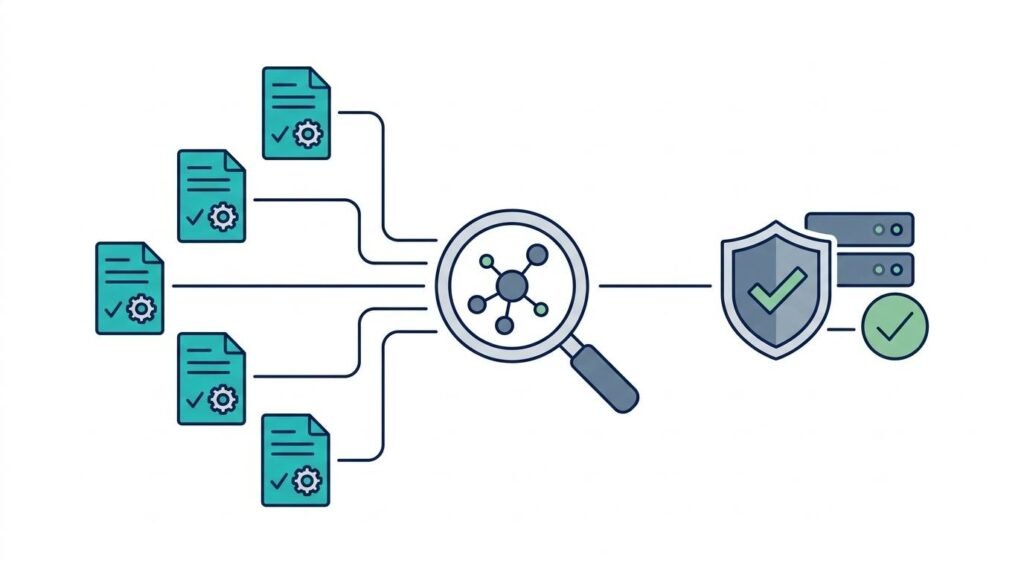
A useful ticket does not need to be long, but it does need to be complete. The goal is not paperwork. The goal is to give the support team enough evidence to act decisively.
At a minimum, the ticket should capture the following:
- Who is affected and how to reach them.
- What system, device, or application is involved.
- What the user was trying to do when the issue appeared.
- The exact symptom or error message, if one exists.
- When the problem started and whether it is ongoing.
- Whether the issue is isolated or affecting others.
- What changed recently, such as an update, new device, or new workflow.
- What steps have already been attempted.
- How the issue is affecting work.
These details sound simple, but they are often the difference between a one-touch resolution and a ticket that circles for hours.
Symptoms Are Not the Same as Causes
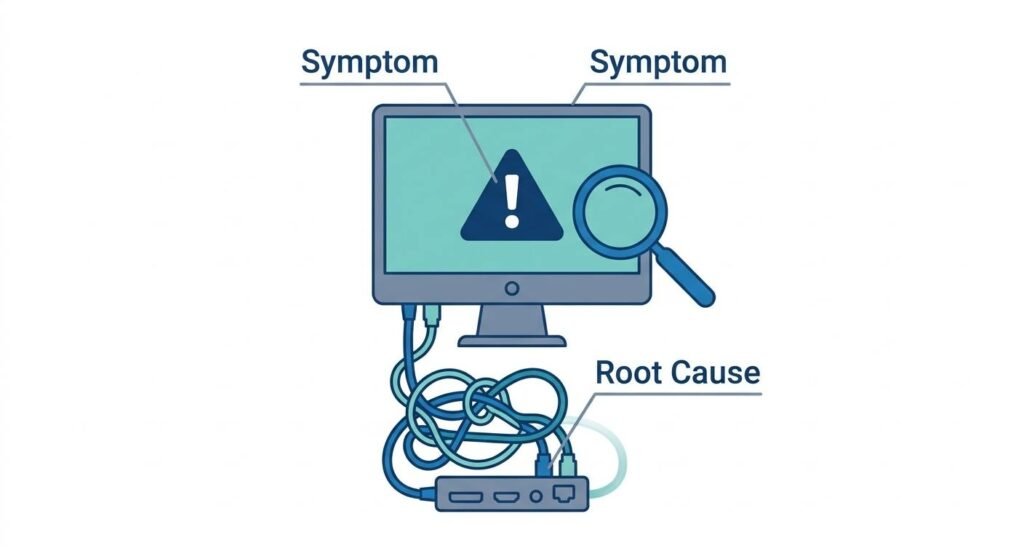
A strong ticket records what the user sees, not just what they assume is wrong. A person may say they need a new monitor, when the real issue is a docking station, a driver conflict, or a power problem.
Good support workflows preserve the original symptom and leave room for investigation. That protects the integrity of the ticket and keeps technicians from chasing the wrong fix too early.
Context Makes Priority Meaningful
Priority should be based on business impact, not frustration level alone. A ticket from a single user who cannot print is different from a ticket affecting an entire department during a customer-facing deadline. The best tickets make that distinction clear.
When the business impact is documented well, escalation becomes easier and more consistent. That helps support teams allocate time where it matters most.
How Better Tickets Support Root-Cause Resolution
A ticket should do more than close one incident. It should help prevent the next one. That is the strategic difference between reactive support and a more mature operating model.
Netcuras is structured around proactive problem solving, and that depends heavily on ticket quality. If recurring issues are captured with enough detail, support teams can identify trends, connect related incidents, and build improvements that reduce future volume.
In other words, every good ticket is a small data point. Over time, those data points can reveal unstable endpoints, failing software, misconfigured settings, or workflow gaps that create repeated interruptions.
From Single Incident to Pattern Recognition
A single ticket may look minor. Ten similar tickets may indicate a broader issue. The value comes from consistency in how those tickets are written. If each one captures the same key facts, the support team can compare them and ask better questions.
That is especially important in environments where the help desk and the internal IT team work together. Netcuras uses co-managed tools to support that collaboration, which means ticket detail is not just for the first responder. It is also for the engineers, administrators, and decision-makers who need a clear record later.
Why “Temporary Fix” Tickets Fall Short
Some tickets get resolved, but only at the surface level. The user can work again, yet the underlying issue remains. That creates repeat calls, hidden downtime, and avoidable frustration.
A stronger ticket helps the team identify whether the fix was a workaround or a true remediation. That distinction matters because managed help desk services should gradually reduce support burden, not simply move it around. Better documentation is one of the easiest ways to support that long-term improvement.
What Strong Operators Ask For Before They Close a Ticket
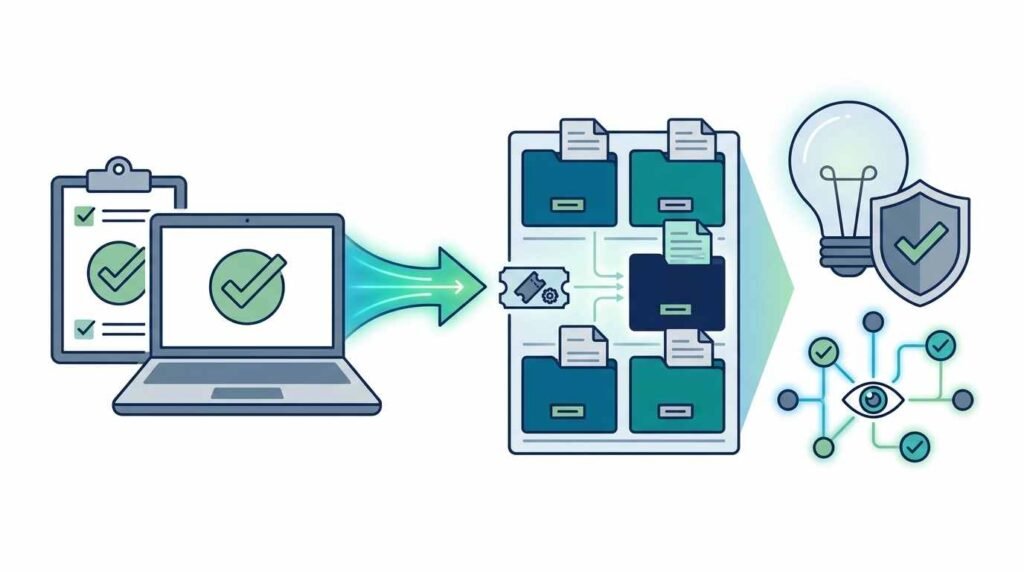
The best support teams do not just ask, “Is it fixed?” They ask whether the issue has been resolved in a way that will hold up. That requires more disciplined ticket capture and better closeout notes. For security-related issues, relevant penetration testing tools reviews can help teams evaluate tools for validating fixes, while the ticket should document the checks performed and their results.
A strong ticket closure should indicate:
- What was done.
- What changed.
- Whether the user confirmed the fix.
- Whether follow-up is needed.
- Whether the issue should be tracked as a recurring concern.
That closing discipline is valuable because it turns a solved problem into usable knowledge. Without it, teams lose the benefit of the work they already did.
Netcuras stands out here because its ServiceDesk model is built to pair support activity with principal-level technical thinking. That matters when a ticket is not just a request, but a clue about a deeper infrastructure or endpoint issue.
The Best Tickets Create a Usable History
Support history is only useful if it is readable. When the same issue reappears months later, the team should be able to see what happened before without reconstructing the story from scratch.
A good ticket history helps answer practical questions such as:
- Has this problem happened before?
- Was the prior fix permanent or temporary?
- Did a configuration change precede the issue?
- Is this user affected repeatedly?
- Does the pattern point to training, hardware, or systems design?
That kind of history is one reason a disciplined help desk can become more strategic over time. The ticket archive becomes an operational memory, not just a queue.
The Practical Standard Netcuras Brings to Support
A mature support model assumes that the first report is part of the solution, not just the beginning of the conversation. That is the practical value behind the Netcuras approach. The goal is not to collect more data for its own sake. It is to collect the right data so engineers can respond with speed, clarity, and better judgment.
When businesses work with managed help desk services, they are not only buying response capacity. They are buying structure. That structure improves ticket quality, strengthens collaboration, and gives technical teams a better basis for remediation.
For organizations that want fewer repeat issues and a more accountable support process, the lesson is straightforward. Good tickets are not administrative clutter. They are the input that makes good support possible.
A useful support ticket should capture the facts that matter, not just the complaint. If your team wants stronger triage, cleaner handoffs, and better long-term issue reduction, Netcuras can help build the kind of service desk discipline that makes those outcomes realistic.