




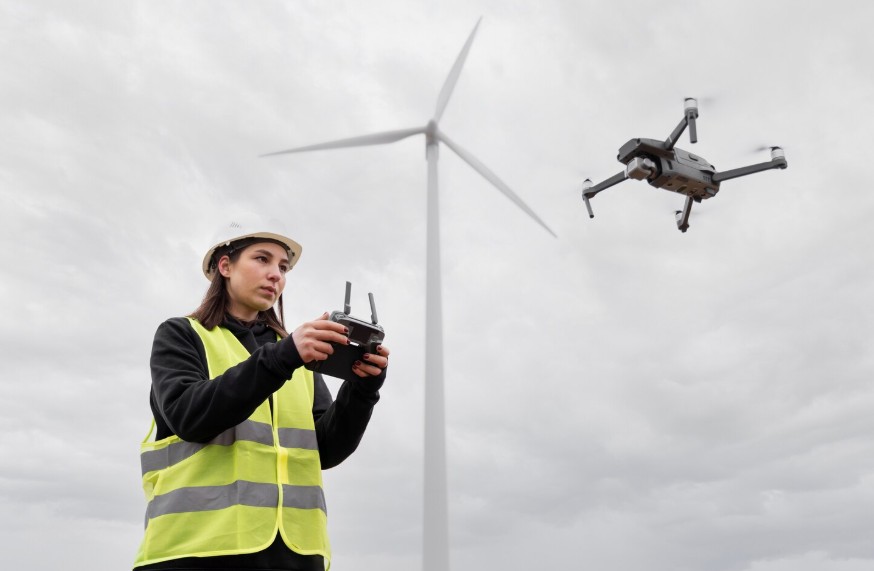
Critical infrastructure, military installations, correctional facilities, and public venues face increasing risks from unauthorized drones. Small aerial systems can gather intelligence, carry dangerous payloads, or interrupt essential operations within minutes.
Strong security depends on accurate threat awareness supported by dependable technology that helps personnel respond with precision.
Safe airspace protection relies on several coordinated technologies instead of a single defense tool. Detection, identification, tracking, and response each serve a distinct purpose throughout the security process.
Careful coordination allows security teams to address aerial threats while reducing unnecessary disruption to nearby people and essential services. This discourse will discuss how counter-drone solutions work in high-threat zones.
Accurate Detection Forms the First Line of Defense
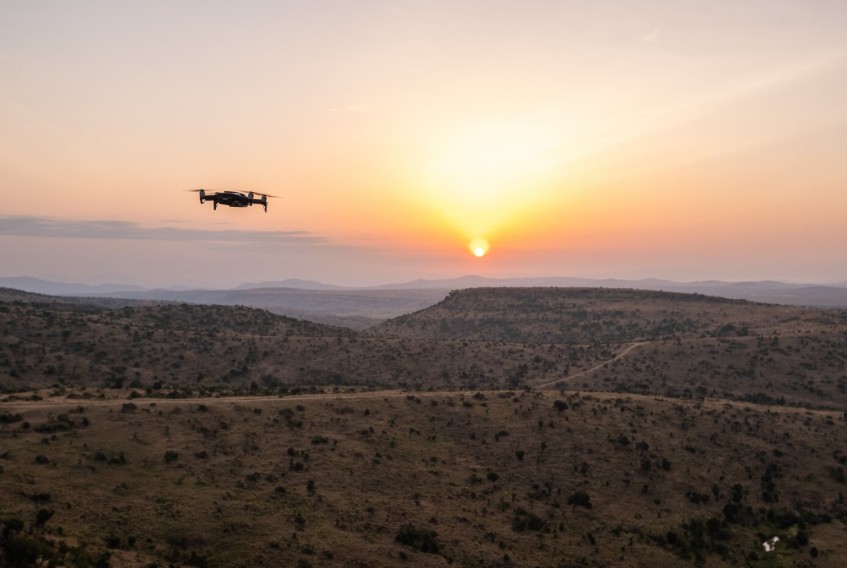
Every counter drone solution starts with reliable detection that identifies suspicious aircraft before they approach protected locations.
Radar monitors aerial movement across long distances, while radio-frequency sensors recognize communication signals between drones and their controllers. Optical cameras and thermal imaging provide visual confirmation, giving operators stronger confidence before any action takes place.
Clear identification prevents unnecessary responses to authorized aircraft or harmless aerial activity. Combined sensor data creates a complete operational picture that supports informed decisions under demanding conditions.
Faster awareness also provides valuable time for security personnel to evaluate the situation carefully.
Layered Technologies Improve Threat Assessment
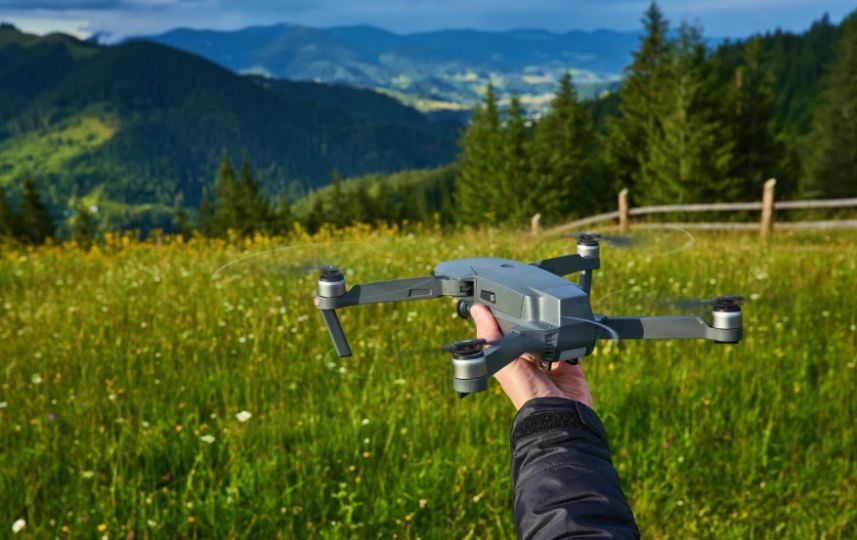
Modern drone threats vary considerably because aircraft may operate through radio-frequency links, autonomous navigation, or fiber-optic guidance. Electronic detection alone cannot address every scenario, making layered security essential for reliable protection.
This layered approach reflects the same need for advanced aerial defense understanding seen in topics like top military aircraft that reshaped modern warfare, where technology, strategy, and threat response work together.
Intelligent software combines information from multiple sensors to classify drone behavior and determine the level of risk.
Important elements within a layered assessment include:
- Radar data that tracks speed, altitude, and direction.
- Radio-frequency analysis that identifies communication signals.
- Optical and thermal imaging for visual verification.
- Software that organizes sensor information into clear operational alerts.
Safe Response Methods Match the Threat
Response strategies depend on the drone’s operating method rather than a standard procedure for every incident. Electronic countermeasures may interrupt communication links when radio-frequency control exists, and regulations permit their use.
Autonomous or fiber-optic drones require different defensive approaches because they continue their mission without relying on traditional wireless signals.
Security teams benefit from flexible planning that considers the drone type, surrounding environment, and operational priorities before selecting an appropriate response. Layered protection reduces unnecessary interference while maintaining strong security across sensitive locations.
Coordinated Defense Creates Stronger Security Outcomes
Effective protection depends on technologies that communicate with one another throughout the entire response process. Detection, identification, tracking, assessment, and controlled action create a dependable security framework capable of addressing diverse aerial threats.
A properly integrated counter drone solution delivers greater situational awareness while supporting safe decision-making across high-risk environments.
The Role of Reliable Dealers
Experienced dealers help organizations choose equipment that matches operational risks instead of recommending identical systems for every facility. Professional guidance includes system integration, sensor compatibility, regulatory considerations, and long-term technical support.
Practical expertise strengthens security investments because each component works efficiently within the complete protection strategy. Reliable suppliers also provide operator training and maintenance recommendations that keep equipment prepared for demanding environments.
Careful planning during deployment improves system performance throughout daily operations and emergency situations.
Reliable counter-drone protection succeeds through preparation, coordinated technology, and carefully planned responses. Strong layered systems allow organizations to protect critical assets with greater confidence while maintaining operational continuity.
Careful equipment selection and expert support help security teams remain prepared as drone threats continue to evolve.