



Most women book a boudoir session because they want to feel something. Then they open Pinterest, stare at a wall of identical lace bodysuits and dim hotel rooms, and close the tab feeling worse than when they started. I have watched this happen to friends.
One of them, Shannon, spent three weeks building a mood board that looked exactly like every other mood board on the internet, then admitted she felt nothing when she looked at it. The problem was not her taste. The problem was her source material.
You do not find inspiration for a boudoir session by scrolling. You find it by mining the life you already live. If you want to see how varied the results can be, scroll through the images in a real boudoir photography portfolio and notice how little the best shots rely on props.
They lean on mood, light, and a woman who looks like herself. Below is the framework I built after helping enough friends prep for their shoots to notice the pattern. It takes about ninety minutes to run, and it beats a month of pinning.
The Four Rooms framework
Every strong mood board I have ever seen pulls from four places. I call them rooms because you literally walk through them in your own home. Each room produces one to three concrete references, and you stop when you hit twelve. Twelve is plenty. Twenty is clutter.
Room one, your closet
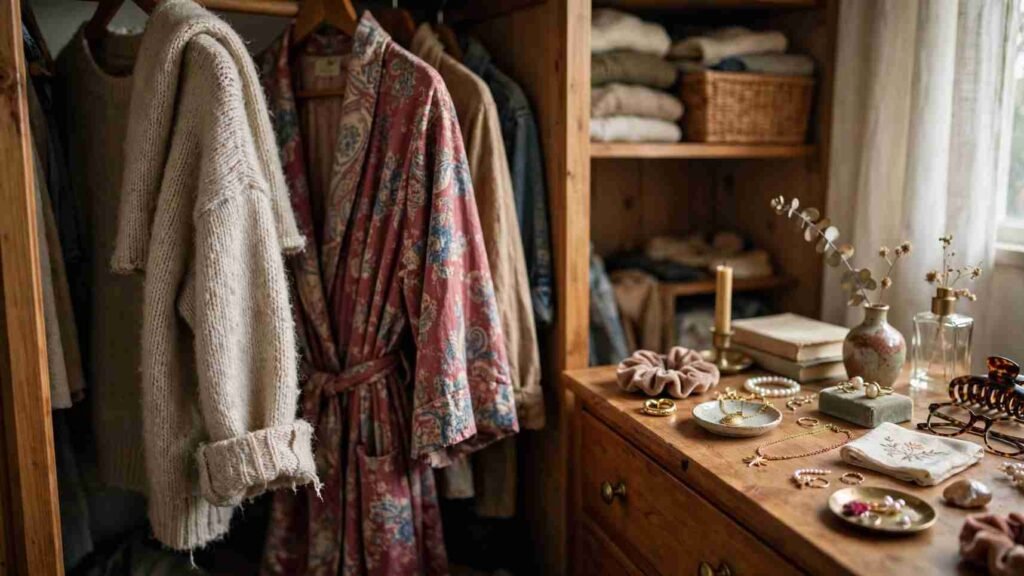
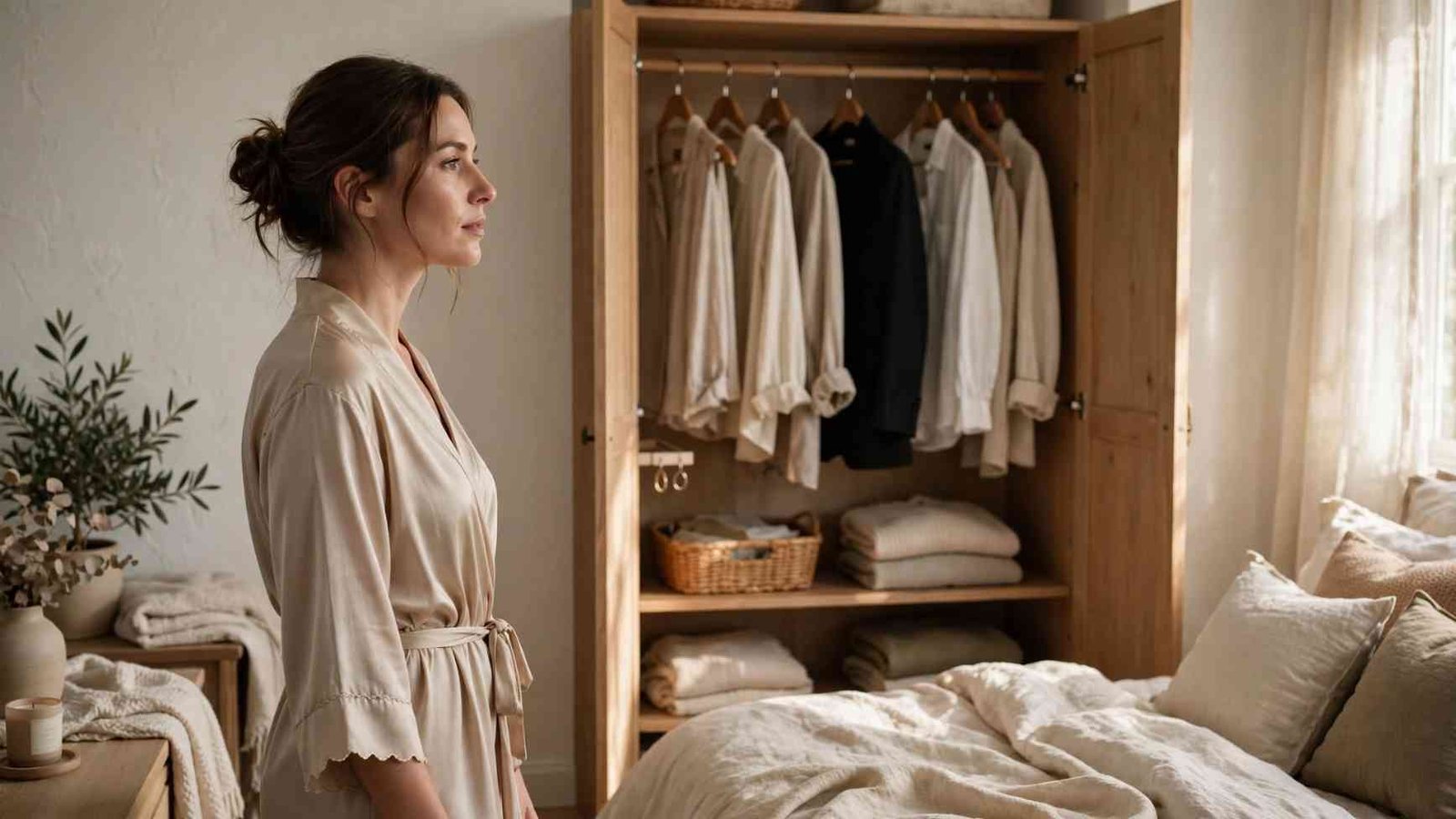
Open it. Not the going out section, the whole thing. The goal here is not to pick an outfit yet. The goal is to find the three pieces you reach for when no one is watching. The soft sweater with the stretched cuff. The robe you have owned since college.
A pair of earrings someone gave you that you never wear because they feel too much. Those three items are the raw material. A photographer can build an entire set around one object that actually belongs to you. Store-bought lingerie photographs like store-bought lingerie. Your grandmother’s ring photographs like a story.
Room two, your bookshelf and your screens
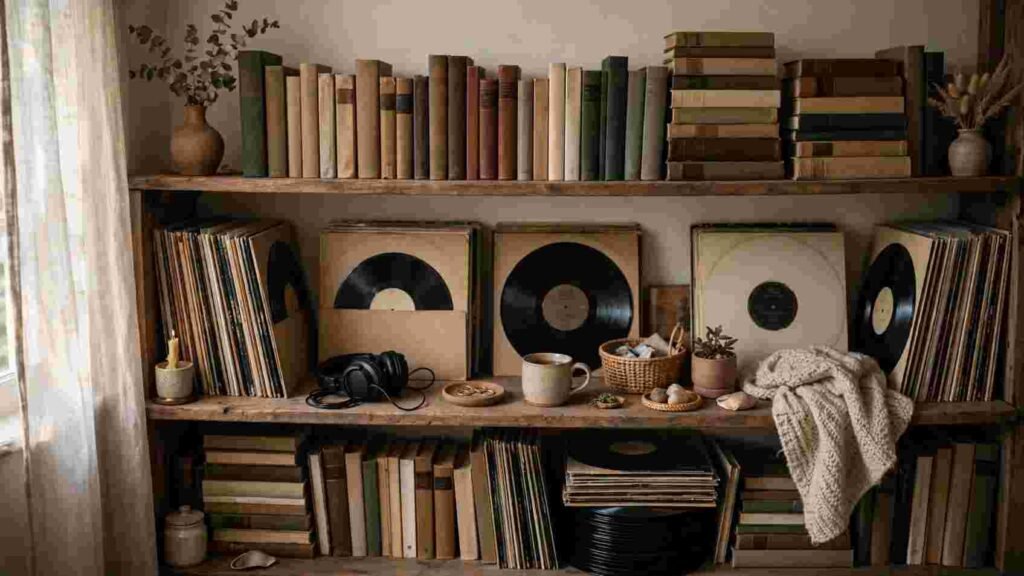
Grab your five favorite films, the two albums you have played the most this year, and any book you have reread. Now write one word next to each.
Not a genre, a word. Melancholy. Playful. Reckless. Still. That word list is your emotional palette. When your photographer asks what mood you want, you will not say “I don’t know, something sexy.” You will say “still, with a little recklessness underneath,” and the whole session changes direction.
Room three, your body’s own history
You already know how the light hits your face at 7 a.m. in the kitchen. You know which side of your jaw you like and which angle in a car mirror makes you wince. This is usable information.
Write down three physical details you actually like about yourself. Not the ones you are supposed to like. The real ones. The shape of your hands. How your shoulders sit when you are relaxed. This list does two jobs. It gives your photographer angles to protect, and it gives you something to read on the drive over if nerves kick in.
Understanding how physical changes can influence confidence and self-perception may also help you reflect on your personal experience. These insights into what hormones tell you about your weight, mood, and energy may offer additional perspective.
Room four, the world outside your house
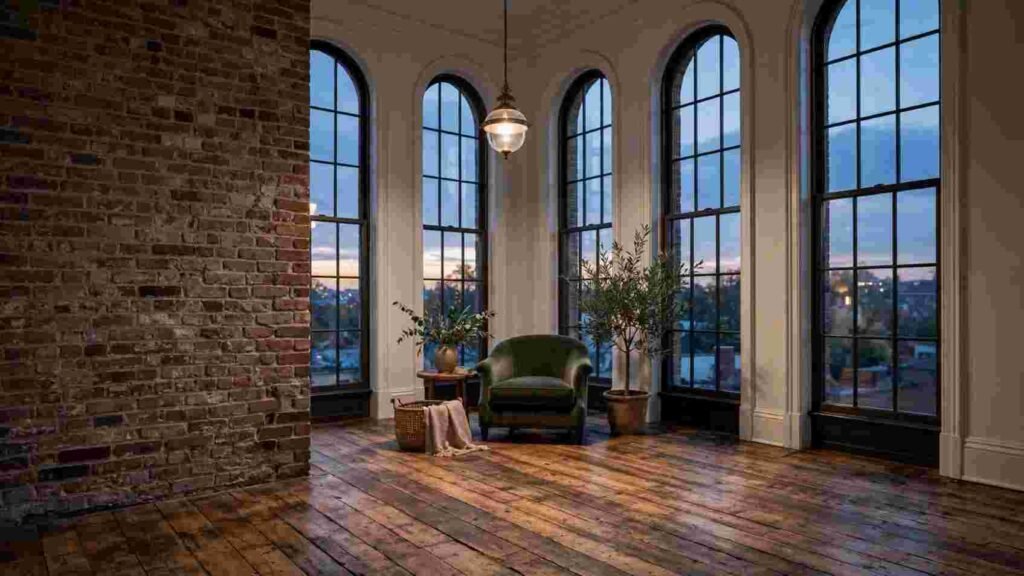
This is the room most women skip, and it is the one that makes a portfolio look expensive. Every place carries its own light and texture. A brick wall at dusk, a staircase with iron railings, a room with tall windows and old hardwood.
Style traditions change slowly and they draw on the same visual vocabulary. If you want proof that mood lives in architecture and not in a filter, browse the photography collections at the Library of Congress and watch how much a portrait owes to the room it was made in.
How do you turn all that into a plan your photographer can use?
You compile it. One page, four headings, no more than twelve items total. Here is the exact structure I would hand over:
- Objects: the three items from your closet, listed by name.
- Mood words: four words, drawn from your books and music.
- Angles: the three body details you wrote down.
- Locations: two or three settings with their own light and texture.
Send it before the session, not the morning of. A good photographer will read it twice and come back with questions. If they do not ask a single question, that is your sign to look somewhere else.
One more thing about locations. If you are drawn to the outdoors, timing matters more than the venue. The soft, forgiving light photographers chase shows up in a narrow window near sunrise and sunset, and the National Park Service documents that outdoor light is best managed with advance planning for exactly this reason.
You can read their visitor guidance at nps.gov and think about your own shoot window the same way: go early, go late, skip harsh midday sun.
What I tell friends who still feel stuck
Run the framework anyway. Even a bad first pass gives your photographer a starting point to push against, and pushing is how a session gets good. The women whose photos end up framed on a wall are rarely the ones with the clearest vision from day one. They are the ones who showed up with something real, even if it was messy.
If you are struggling to reconnect with your confidence or sense of self, taking time to explore what makes you feel inspired can be a helpful starting point. These tips to reignite your inner spark may offer additional ideas for rediscovering what makes you feel like yourself.
Also, cut yourself a break on the outfits. You do not need a new wardrobe, and you definitely do not need a matching set for every location. Bring fewer pieces. Let one item do work in two different rooms with two different moods. A
single slip photographed by a window at dusk and again against a bare wall reads as two completely different images, and you spent nothing extra.
Two things that kill inspiration faster than anything else
Comparison is the first one. The moment you start measuring your body against someone else’s session, your own ideas get quieter. Your framework is built from your closet, your music, your light. That is the whole point, and it means no one else can copy it.
The second killer is over-planning the physical details. You do not need a shot list that dictates every pose. Hand over mood and let a professional handle the geometry. Consider how much planning goes into any visual craft done well.
Even agriculture, which sounds unrelated, runs on carefully timed decisions about light, season, and soil, and the people who plan it track those variables at the Department of Agriculture. The takeaway for you is simple: control the inputs, not every frame.
That is the entire framework, and the beauty of it is how little it costs. Ninety minutes in four rooms of your own home, one page compiled, one conversation with your photographer, and you walk into the session with a reason to be there instead of a Pinterest board weighing you down.
One question worth sitting with before you book: if the photos came back tomorrow, what would you want to see that you never let anyone see? Answer that, and your mood board builds itself.